
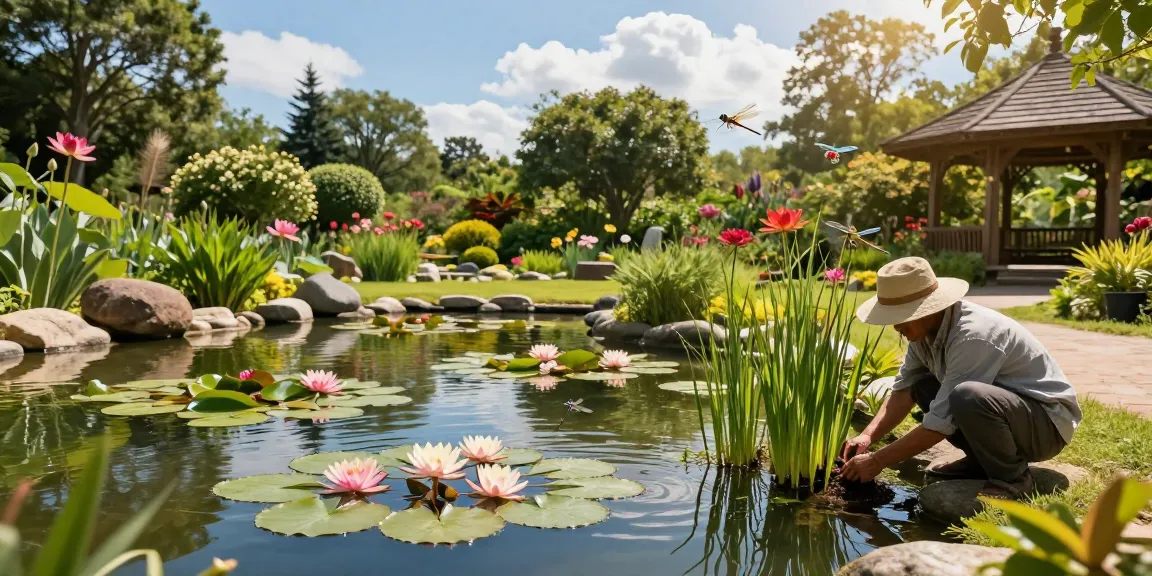
Understanding Pond Plants and Their Benefits
Pond plants play a vital role in creating and maintaining a balanced aquatic environment, contributing to both the aesthetic and ecological aspects of garden ponds. When exploring options, Buy Pond Plants Online offers a wide variety of species that can enhance your garden’s appeal and health. With an understanding of what pond plants are and the benefits they provide, you can make well-informed decisions for your garden.
What Are Pond Plants?
Pond plants, also known as aquatic plants, are specially adapted to thrive in wet conditions, either submerged, partially submerged, or floating on the water’s surface. These plants can be broadly categorized into three types: free-floating plants, rooted plants, and emergent plants. Each type serves different purposes and can be selected based on the specific needs of your pond.
Benefits of Aquatic Plants for Your Garden
- Water Quality Improvement: Aquatic plants help filter pollutants and absorb excess nutrients in the water, promoting a healthier ecosystem.
- Habitat Creation: They provide shelter and breeding grounds for a variety of wildlife, including fish, frogs, and beneficial insects.
- Aesthetic Appeal: Pond plants can enhance the visual allure of your landscape, adding color and texture throughout the seasons.
- Algae Control: By competing for nutrients, aquatic plants naturally reduce the growth of algae, keeping your pond clearer.
Types of Pond Plants to Consider
When selecting pond plants, consider a mix of species that fulfill different functions. Here are some categories of pond plants to explore:
- Submerged Plants: Such as Elodea and Hornwort, these plants provide oxygen to the water and offer hiding spots for aquatic life.
- Floating Plants: Water lilies and Duckweed float on the surface, offering shade and preventing algae blooms.
- Emergent Plants: Species like cattails and rushes grow at the water’s edge and help stabilize pond banks while providing habitat.
How to Choose the Right Pond Plants
Selecting the right plants for your pond involves several factors to ensure they thrive and contribute positively to your aquatic ecosystem. Here are some considerations to keep in mind:
Factors to Consider When Buying Pond Plants Online
- Climate Suitability: Ensure the plants are suitable for your climate zone to thrive throughout the seasons.
- Pond Size: Choose plants that are proportionate to your pond’s size, as some can become invasive if not managed properly.
- Water Depth: Select plants based on their ideal growth conditions, including the necessary water depth for rooting.
- Maintenance Level: Consider how much time you want to invest in caring for the plants; some require more attention than others.
Seasonal Considerations for Planting
The best time to plant aquatic plants typically falls in spring or early summer when water temperatures begin to warm. This allows plants to establish roots before the heat of summer. In colder climates, it’s important to choose frost-tolerant species or prepare to overwinter your plants in protected environments.
Recommended Varieties for Beginners
If you are new to pond gardening, starting with a few hardy species can ease the learning curve. Consider these beginner-friendly plants:
- Water Lilies: Easy to grow and provide beautiful blooms.
- Hornwort: A low-maintenance submerged plant that helps oxygenate the water.
- Cat Tail: An emergent plant that is forgiving and offers excellent habitat.
Best Practices for Planting and Caring for Pond Plants
To ensure the health and longevity of your pond plants, following best practices in their planting and care is crucial. This includes knowing how to properly establish your plants and maintain the pond environment.
Step-by-Step Guide to Planting Aquatic Flora
- Prepare the Area: Clear the pond bed of debris and ensure it has the appropriate depth for the selected plants.
- Choose Containers: For most rooted plants, use mesh or perforated containers that allow roots to spread while containing soil.
- Planting: Place your plants at the right depth, ensuring the crown is just above the soil for rooted species.
- Watering: After planting, gently fill the pond back with water to avoid displacing the plants.
- Regular Monitoring: Keep an eye on growth, making any necessary adjustments to support healthy development.
Maintaining Water Quality for Healthy Growth
Maintaining water quality is vital for the success of pond plants. Regularly test the water for pH levels, nutrient content, and clarity. Using beneficial bacteria can help reduce harmful substances and promote a balanced ecosystem.
Common Mistakes to Avoid When Caring for Pond Plants
Here are pitfalls to watch for:
- Overcrowding: Planting too many species can lead to competition for nutrients and space.
- Ignoring Water Levels: Failing to maintain appropriate water levels can stress plants and limit growth.
- Neglecting Seasonal Changes: Different seasons require specific care; for example, not providing winter protection can lead to plant loss.
Enhancing Your Pond’s Ecosystem
Creating a thriving aquatic environment goes beyond simply planting a few species; it involves fostering biodiversity and ensuring ecological balance.
Complementary Species for Biodiversity
Integrating a variety of plants can enhance the biodiversity of your pond. Consider adding:
- Floating Aquatic Plants: Such as Water Hyacinth, to provide shade and reduce algae.
- Submerged Oxygenators: Like Eelgrass, to support fish and enhance water clarity.
Creating a Balanced Aquatic Environment
Strive for a harmonious balance between plant life and other elements in your pond. This includes managing fish populations, ensuring adequate aeration, and promoting a diverse range of microorganisms that contribute to the overall health of your pond.
Using Pond Plants to Attract Wildlife
By carefully selecting and maintaining your pond plants, you can attract various forms of wildlife, including birds, dragonflies, and amphibians, enriching your garden’s ecosystem and providing enjoyment for observers.
Future Trends in Pond Gardening
The field of pond gardening is evolving, with innovations and trends emerging to enhance the experience and sustainability of aquatic gardening. Here are some trends to watch for in the coming years.
Innovative Plant Varieties for 2026 and Beyond
New hybrid species and genetically engineered plants are on the horizon, promising improved resilience to climate change and enhanced aesthetic qualities. Look out for varieties that can thrive in fluctuating conditions while offering vibrant blooms.
Sustainable Practices for Pond Gardening
As environmental awareness grows, more gardeners are adopting sustainable practices. This includes using native plants to enhance biodiversity, rainwater harvesting for irrigation, and organic methods of pest management.
Emerging Technologies for Pond Management
Technology is playing a role in pond management, from water quality sensors that monitor conditions in real-time to apps that help manage aquatic plants and ecosystems effectively.
What types of pond plants are best for beginners?
Beginners may find success with hardy plants like Water Lilies, Hornwort, and Cat Tail, as they are low-maintenance and provide significant benefits to the ecosystem.
How do I maintain my pond plants throughout the year?
Year-round maintenance involves monitoring water quality, removing debris, adjusting for seasonal changes, and ensuring adequate sunlight and space for growth.
Can I buy pond plants online year-round?
Yes, many online retailers offer pond plants year-round, allowing you to choose plants suited to your zone and preferences at your convenience.
What are the most popular aquatic plants for ponds?
Popular choices often include Water Lilies for their stunning blooms, Cattails for their ability to stabilize banks, and Duckweed for its quick growth and benefits to pond health.
How do pond plants contribute to the ecosystem?
Pond plants play a crucial role by generating oxygen, filtering pollutants, providing habitat, and contributing to the overall biodiversity of the pond environment.