
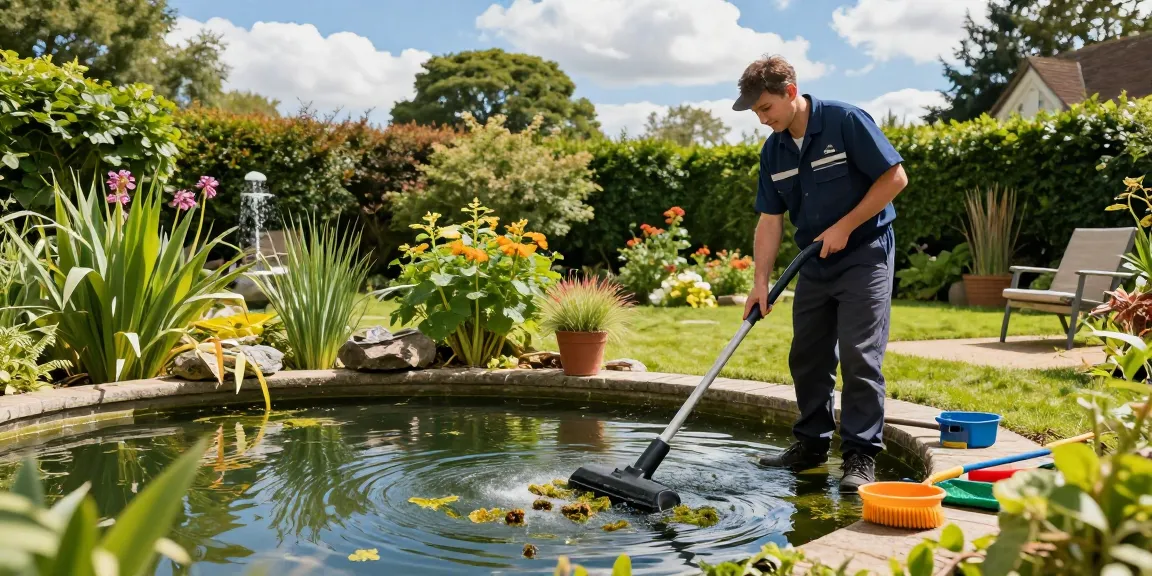
Understanding Professional Pond Cleaning Services
Maintaining a healthy pond ecosystem is crucial for both aesthetic appeal and environmental health. Many pond owners find themselves overwhelmed by the unique challenges their water features present. Engaging Professional Pond Cleaning Sussex services can make all the difference in ensuring your pond remains a thriving habitat. This article explores what you can expect from professional services, the benefits of hiring experts, and clarifies some common misconceptions surrounding pond care.
What to Expect from Pond Cleaning Sussex Professionals?
When you hire pond cleaning specialists in Sussex, you can expect a thorough assessment of your pond’s condition. Professionals will evaluate water quality, check for debris accumulation, and identify any signs of algae or pest issues. They will also consult with you to understand your specific concerns and goals for the pond.
Typically, a professional service will include:
- Initial Assessment: A detailed inspection of the pond to identify issues.
- Cleaning Procedures: Techniques tailored to address muck, algae, and debris.
- Water Quality Testing: Regular monitoring to ensure balanced pH and nutrient levels.
- Maintenance Tips: Guidance on how to keep your pond healthy between cleanings.
Benefits of Hiring Expert Pond Cleaning Services
The advantages of hiring professionals extend beyond just a clean pond. Here are some key benefits:
- Time-Saving: Professionals have the tools and know-how to clean your pond efficiently.
- Expertise: They can identify problems before they escalate.
- Healthier Ecosystem: Professional cleaning helps maintain a balanced environment, supporting fish and plant life.
- Enhanced Aesthetics: A clean pond improves the overall appearance of your property.
Common Misconceptions about Pond Care
Many pond owners are misinformed about the complexities of pond care. Here are some common misconceptions:
- All algae is harmful: While some algae can be problematic, others are beneficial and support the ecosystem.
- Cleaning harms wildlife: Proper cleaning techniques minimize disruption to fish and plants.
- Pond cleaning is a one-time task: Regular maintenance is essential for ongoing health.
Identifying Common Pond Issues
Successful pond management begins with recognizing and diagnosing common issues. Understanding these problems is key to maintaining your pond’s health.
Algae Growth: Causes and Solutions
Algae are a natural part of any pond ecosystem, but excessive growth can lead to significant problems, like oxygen depletion. This excessive growth is usually caused by:
- High nutrient levels from fertilizers and runoff.
- Stagnant water with low circulation.
- Excessive sunlight exposure.
Solutions include reducing nutrient inputs, increasing aeration, and using natural products to manage algae levels.
Debris Accumulation: Prevention Strategies
Debris, such as leaves and sediment, can accumulate in ponds, leading to stagnant water and poor visibility. Here are some effective prevention strategies:
- Regular Skimming: Use nets to remove floating debris.
- Install a Filter: Proper filtration keeps the water clear and reduces buildup.
- Plant Barrier Techniques: Use aquatic plants to absorb excess nutrients and reduce debris.
Water Quality Assessment Techniques
Assessing water quality is fundamental in maintaining a healthy pond. These techniques can help:
- pH Testing: Ensures the water is balanced for aquatic life.
- Oxygen Levels: Essential for fish survival; should remain above 5 mg/L.
- Nutrient Testing: Identifies levels of nitrogen and phosphorus, which can fuel algae blooms.
Effective Pond Cleaning Techniques
Once issues are identified, effective cleaning techniques must be employed to restore and maintain the pond’s health.
Tools and Equipment Used by Professionals
Pond cleaning professionals utilize a range of specialized tools, including:
- Pond vacuums: For removing sludge and debris.
- Water pumps: For filtration and circulation.
- Netting: To manually remove larger debris.
- Algae brushes: For scrubbing surfaces free of algae.
Step-by-Step Cleaning Process Overview
The cleaning process typically follows these steps:
- Drain the Pond: Safely removing water while preserving aquatic life.
- Remove Debris: Clearing out leaves, twigs, and other organic matter.
- Clean the Bottom: Vacuuming the sludge layer to promote better water quality.
- Refill with Clean Water: Bringing the pond back to its normal level using treated water.
- Test Water Quality: Ensuring that the pond is safe for wildlife before reintroducing aquatic animals.
Best Practices for Maintaining Pond Health
To ensure long-term health of your pond, consider these best practices:
- Regular Monitoring: Check water parameters monthly.
- Aerate the Water: Increase oxygen levels through fountains or aerators.
- Plant Strategically: Use native plants to provide shelter and reduce nutrient loading.
When to Schedule Professional Help
Recognizing when to seek help can prevent minor issues from becoming major problems in your pond.
Signs You Need Immediate Pond Cleaning
Look for these indicators that it may be time to call in professionals:
- Excessive Algae Growth: If the water appears green or murky.
- Strong Odors: Foul smells can indicate decomposing organic matter.
- Visible Sludge Buildup: Thick sediment layers may harbor harmful bacteria.
Seasonal Considerations for Cleaning
Different seasons require specific cleaning strategies:
- Spring: After winter, inspect for debris and wildlife activity.
- Summer: Manage algae growth regularly during warmer months.
- Fall: Remove leaves to prevent decay in the water.
- Winter: Assess and prepare for potential ice-related issues.
Cost Factors in Professional Pond Cleaning Services
Several factors influence the cost of professional pond cleaning services, including:
- Pond Size: Larger ponds require more time and resources.
- Condition of the Pond: Heavily polluted or overgrown ponds may incur additional charges.
- Frequency of Service: Regular maintenance often results in reduced costs compared to one-time cleanings.
Future Trends in Pond Care for 2026
As we approach 2026, new technologies and practices are emerging within the pond care industry that can further enhance pond management.
Innovative Cleaning Technologies on the Horizon
Expect to see advancements in cleaning technologies, including:
- Robotic Cleaners: Automated devices that can navigate ponds for routine cleaning.
- Smart Sensors: Real-time monitoring systems for water quality and ecosystems.
- Eco-Friendly Treatment Options: Algae and pest control methods that are less harmful to wildlife.
Eco-Friendly Practices for Sustainable Pond Care
Environmental consciousness is driving the industry towards sustainable practices, such as:
- Organic Treatments: Utilizing plant-based solutions instead of harsh chemicals.
- Natural Filtration Systems: Employing biological filters to enhance water clarity.
- Community Awareness: Educating local communities about the importance of healthy ponds.
Predicted Changes in Pond Management Regulations
In the coming years, expect updates to regulations that will impact pond management, including:
- Stricter Environmental Protections: Regulations aimed at reducing pollution and maintaining biodiversity.
- Licensing for Professional Services: Mandatory training for pond service providers to ensure best practices.
What Are the Most Common Pond Cleaning Questions?
As a pond owner, you may have several queries regarding maintenance and care:
How Often Should I Clean My Pond?
The frequency of cleaning varies based on factors such as pond size and the specific flora and fauna present. Generally, a deep clean is recommended once a year, with light maintenance every few months.
Can I Clean My Pond Myself Alternatively?
While DIY cleaning is possible, it often requires experience and the right tools to avoid damaging the ecosystem. Professional services provide the expertise and equipment needed for thorough cleaning.
What Are the Signs of a Healthy Pond?
A vibrant ecosystem indicates a healthy pond. Look for clear water, balanced pH levels, minimal algae, and visible fish and aquatic plants.
What Should I Do if My Pond Fails to Clear?
If your pond remains cloudy despite maintenance efforts, consult a professional to assess the underlying causes and explore treatment options.
How Does Seasonal Change Affect Pond Cleaning Needs?
Seasonal changes affect water temperature, sunlight exposure, and wildlife activity, necessitating tailored cleaning strategies for optimal health throughout the year.