
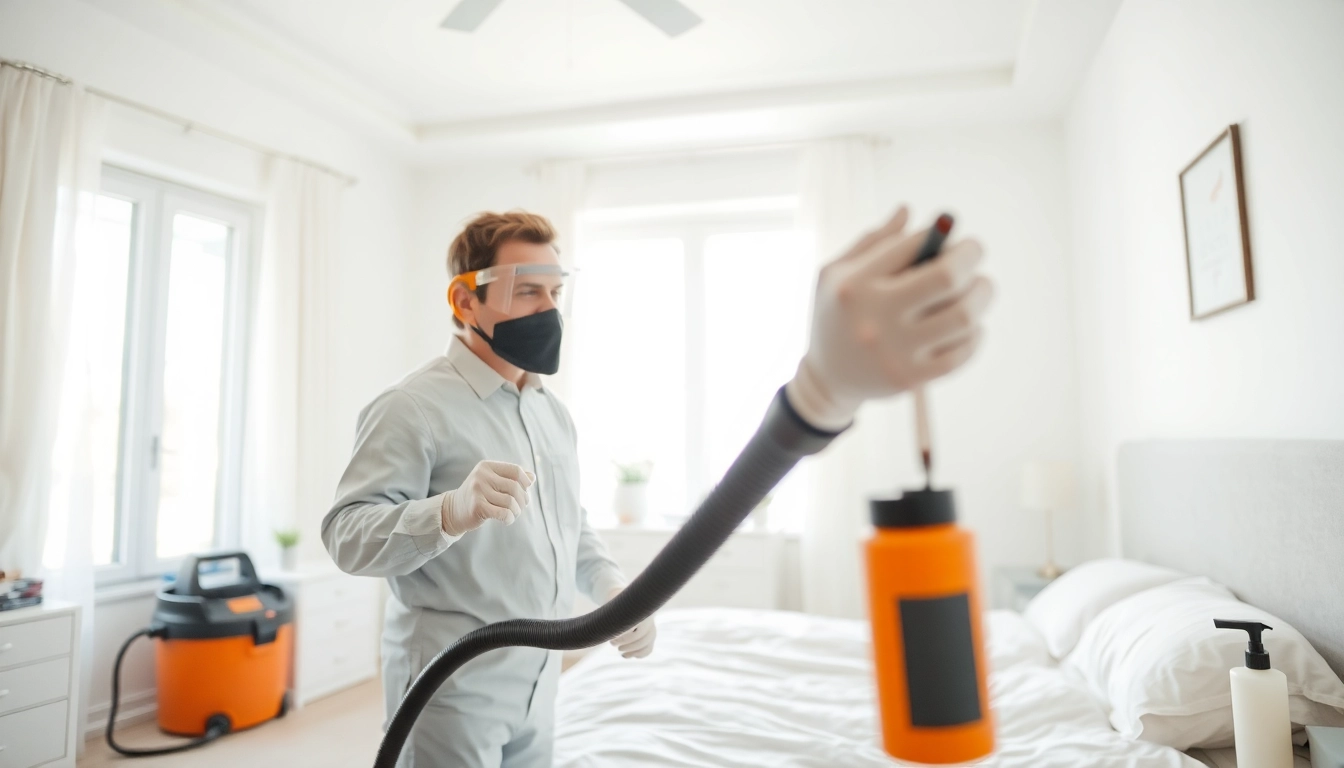
Understanding Bedbugs and Their Impact
Bedbugs have become a pressing concern for many households and businesses alike, causing distress and anxiety. With the uptick in travel and the rise of shared accommodations, the prevalence of these unwelcome pests has surged. Understanding the nature of bedbugs, their signs, and health implications is critical for anyone seeking a reliable bedbugs exterminator near me. This article aims to delve into various aspects of bedbug infestations, including identification, the potential risks they pose, and effective responses.
What Are Bedbugs?
Bedbugs are small, nocturnal insects that primarily feed on the blood of humans and animals. They belong to the Cimex lectularius species and are known for their flat, oval, reddish-brown bodies. Adult bedbugs can grow to about 5 to 7 mm in length, making them roughly the size of an apple seed. These pests are notoriously resilient and can survive extended periods without food, which adds to the challenges of eradication. They typically hide during the day in various crevices around homes, such as bed frames, mattresses, and even electrical outlets, resurfacing at night to feed.
Signs of a Bedbug Infestation
Identifying an infestation early can significantly lower the costs and complexities of extermination efforts. Some common signs include:
- Black or Brown Stains: Blood spots on bedding or upholstery.
- Live Bugs: Often found in seams of mattresses, box springs, or bed frames.
- Eggs and Molts: Small white eggs (about 1 mm) and shed skins.
- Itchy Bites: Red, itchy welts on the skin, often appearing in clusters.
- Foul Odor: A musty smell emanating from heavily infested areas.
Health Risks Associated with Bedbugs
While bedbugs are not known to transmit disease, their presence can lead to various health complications. Common issues include:
- Allergic Reactions: Some individuals may experience severe allergic responses to bites leading to blisters and skin infections.
- Insomnia: Anxiety and stress from knowing these pests are present can disturb sleep patterns.
- Secondary Infections: Scratching bites can lead to bacterial infections.
- Mental Health Issues: Prolonged infestations can cause significant emotional distress and embarrassment.
Choosing a Bedbugs Exterminator Near Me
When faced with a bedbug infestation, selecting the right exterminator is crucial. The choice can significantly affect the effectiveness of the treatment and long-term prevention measures. Here are important factors to consider.
Factors to Consider When Hiring
Not all pest control services are equal. Here are key factors to examine:
- Experience and Reputation: Look for exterminators with a proven track record in dealing with bedbug infestations.
- Methods Used: Ensure they utilize effective, humane, and environmentally friendly approaches.
- Insurance and Certifications: Verify that the exterminator is licensed and insured, providing you with peace of mind.
- Guarantee: A reputable service will offer a guarantee for their treatment, indicating confidence in their methods.
Questions to Ask Your Exterminator
Before hiring a bedbugs exterminator, don’t hesitate to ask specific questions to gauge their capability:
- What methods do you use for exterminating bedbugs?
- How long does the treatment typically take?
- Are there any preparations needed before treatment?
- What follow-up services do you provide?
- Can you provide references from past clients?
Evaluating Exterminator Qualifications
Ensure that the exterminator is not just certified but also well-trained in the latest pest control methods. They should also possess:
- Relevant Certifications: Pest control licenses from appropriate regulatory bodies.
- Training in Integrated Pest Management: This strategy often yields the best long-term results.
- Customer Reviews: Online reviews can provide insight into the exterminator’s service quality and effectiveness.
Common Bedbug Extermination Techniques
Extermination techniques can vary between exterminators, but the most effective strategies typically include a combination of methods. Understanding these can help you make an informed decision.
Chemical Treatments
Chemical insecticides remain a common method for controlling bedbugs. Many products are available, including:
- Pyrethroids: Widely used, but bedbugs are developing resistance to some types.
- Insect Growth Regulators: These disrupt the life cycle of bedbugs, preventing them from reproducing.
- Desiccants: Non-toxic treatments that work by drying out the pests.
While chemical treatments can be effective, they often require multiple applications, and homeowners should ensure they are safely applied and managed due to potential toxicity to humans and pets.
Heat Treatments
Heat treatment is emerging as a highly effective alternative to chemical methods. This approach involves raising the temperature in a room to levels lethal to bedbugs. Key points include:
- High Efficacy: Bedbugs and their eggs die when exposed to temperatures above 120°F (49°C) for a sustained period.
- Environmentally Friendly: This method minimizes chemical use, making it a preferred option for those concerned about chemical exposure.
- Immediate Results: Unlike some chemical treatments, heat kills bedbugs within a single treatment session.
Integrated Pest Management Strategies
Integrated Pest Management (IPM) combines multiple strategies for a comprehensive approach to pest control. It includes:
- Inspection and Monitoring: Regularly checking for signs of infestation and maintaining a monitoring schedule can prevent large outbreaks.
- Sanitation Measures: Keeping living areas clean and free from clutter significantly reduces bedbug hiding places.
- Exclusion Techniques: Sealing cracks and crevices helps limit bedbug access to your living space.
Cost of Bedbug Extermination Services
Understanding the cost factors associated with bedbug extermination is vital for budgeting effectively. The total cost can vary widely based on various elements.
Average Pricing Structures
Generally, the cost of bedbug extermination can range anywhere from $200 to $1,500 depending on factors like location, infestation severity, and the methods employed. On average:
- Initial Treatments: Typically cost between $300 to $600 for a standard-sized home.
- Follow-Up Treatments: Depending on effectiveness, additional visits may incur costs ranging from $100 to $300 each.
- Heat Treatments: Generally more expensive upfront but can offer a single-session solution, with costs between $800 and $2,000.
Factors Influencing Cost
Several factors can influence the overall cost of extermination, including:
- Size of Infestation: Heavily infested properties require more extensive treatment efforts.
- Property Size: Larger homes typically incur higher treatment costs.
- Location: Urban areas may see inflation in pest control rates due to demand and availability.
Potential Hidden Costs
Homeowners should also be aware that additional costs may arise during bedbug extermination efforts. These can include:
- Preparation Costs: Costs involved in cleaning and clearing infested areas before treatment.
- Replacement of Infested Items: In extreme cases, mattresses or furniture may need to be disposed of or replaced.
- Ongoing Preventive Measures: Periodic inspections and treatments may be necessary to prevent future infestations.
Long-Term Prevention of Bedbug Infestations
Successfully handling an infestation is one part of the problem; preventing future incursions is another. Effective long-term strategies can save homeowners considerable time and money.
Regular Inspection Tips
Regular inspections are key to early detection and intervention. Recommendations include:
- Routine Checks: Regularly inspect mattresses, linens, and other furniture for signs of bedbugs.
- Travel Precautions: Check hotel rooms or accommodations for bedbugs before unpacking.
- Monitoring Devices: Utilize bedbug monitors or traps to catch any early stages of infestation.
Home Maintenance Practices
Keeping your home well-maintained also plays a vital role in bedbug prevention:
- Sealing Cracks: Fill gaps in walls and around baseboards to eliminate potential hiding spots.
- Clutter Reduction: Minimizing clutter not only aids in cleanliness but also reduces bedbug hiding places.
- Laundering Fabrics: Frequently washing and heat-drying items—including linens, curtains, and clothing—can kill any bedbugs present.
Community Awareness and Resources
Building community awareness around bedbug infestations can greatly assist in prevention efforts:
- Information Sharing: Collaborate with neighbors to share information about potential infestations and best practices for prevention.
- Community Programs: Participate in local educational programs focused on pest management and dealing with infestations.
- Resource Development: Develop and distribute resource materials providing guidance on recognizing and dealing with bedbugs effectively.
Frequently Asked Questions
What are the signs of a bedbug infestation?
Signs include dark spots on bedding, live bugs, eggs, bites on the skin, and a musty odor in the area. Regular inspections help in early detection.
How can I prepare my home for extermination?
Clear clutter, wash bedding and linens, vacuum carpets, and move furniture away from walls. Consult your exterminator for specific instructions.
Are bedbug extermination methods safe for pets and children?
Many modern treatments are safe, but it’s essential to discuss safety precautions with your exterminator. Always follow guidelines provided before re-entering treated areas.
How long does bedbug extermination take?
Typical treatments can take a few hours to a full day, but follow-up treatments may be necessary. Expect a timeline between one to three weeks for complete eradication.
What should I do if the infestation returns?
If bedbugs return after treatment, contact your exterminator for a re-evaluation, as additional treatments or a new strategy may be necessary.