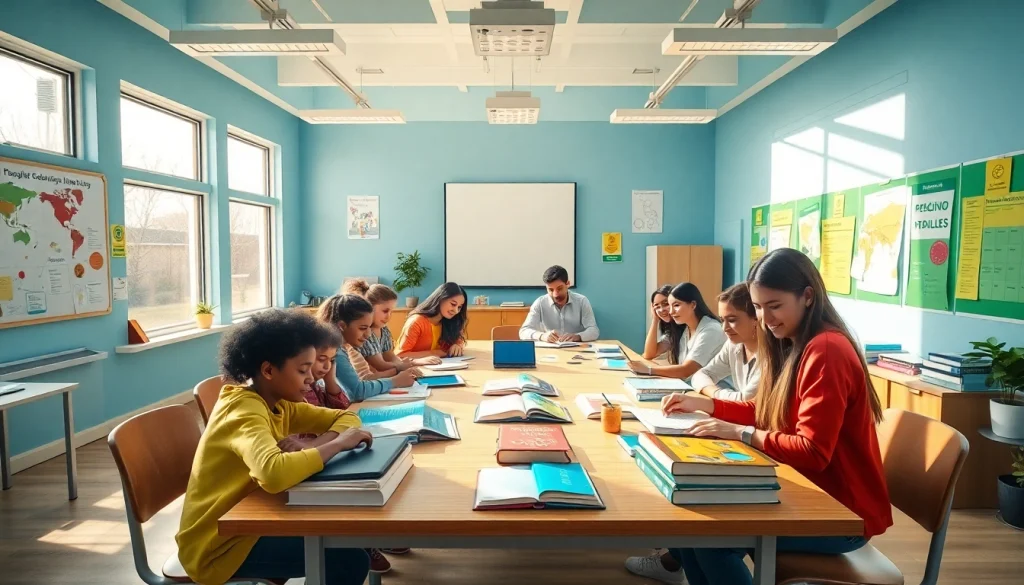
Understanding Education Equity and Its Importance
Education equity is a pivotal component in shaping societies that are just and inclusive. It refers to the fair treatment, access, and opportunity to receive quality education for all individuals, regardless of their socio-economic background, ethnicity, or abilities. In today’s context, where disparities continue to exist, understanding education equity becomes crucial for fostering environments that promote equal opportunities. When exploring options, education serves as a powerful tool to bridge gaps and dismantle barriers.
Defining Education Equity in Today’s Context
Education equity emphasizes the need for all students to receive the resources necessary to succeed academically, socially, and emotionally. This means recognizing that each student starts from a different place and may require different levels of support to achieve equitable outcomes. For instance, disadvantaged communities may face challenges such as underfunded schools, lack of access to technology, and inadequate health resources, all of which hinder educational success.
Equity in education goes beyond mere access; it encompasses the quality of education provided. Thus, it is essential to account for various factors such as school funding, curriculum standards, teacher qualifications, and even cultural relevance in teaching materials. Ensuring that these elements are addressed can lead to a more just educational landscape.
Common Misconceptions About Education Equity
Many people conflate equality with equity. While equality refers to treating everyone the same, equity acknowledges that individuals have different needs and circumstances. For instance, a one-size-fits-all approach does not serve students who may have learning disabilities or come from non-English speaking homes. Understanding this distinction is crucial in advocating for effective educational reforms.
Another misconception is that education equity is solely the responsibility of schools and educational policymakers. In reality, it requires collective effort from communities, parents, and local organizations to create an environment where equitable education can flourish. By broadening the discussion beyond the school walls, we can start to address the systemic issues that contribute to inequities.
The Role of Education in Achieving Justice and Freedom
Education plays a fundamental role in promoting social justice and freedom. It equips individuals with critical thinking skills, knowledge, and the ability to challenge oppressive systems. By fostering a culture of inquiry and open dialogue, education empowers students to advocate for themselves and their communities. Historical examples, such as the Civil Rights Movement in the United States, demonstrate how access to education can lead to transformative social change.
Moreover, education acts as a leveler in society, providing opportunities for upward mobility. Without equitable access to education, marginalized communities are at risk of perpetuating cycles of poverty and disenfranchisement. This makes the push for educational equity not just an ethical imperative, but also a necessary condition for a thriving democratic society.
Innovative Approaches to Education Reform
The landscape of education is constantly evolving, influenced by emerging technologies and innovative practices. As we look towards a future that encompasses diverse learning environments, it’s essential to explore and implement effective strategies for reform. This section will delve into some of the most promising approaches to education reform that can help achieve equity and improve outcomes for all students.
Emerging Technologies in Education: Opportunities and Challenges
Technology has the potential to revolutionize education by providing personalized learning experiences tailored to individual student needs. Tools like adaptive learning software can assess student performance and suggest customized learning paths. Online platforms also enhance accessibility, allowing students from remote or underserved areas to access quality educational resources.
However, the integration of technology in education also presents challenges. Digital divides, characterized by unequal access to computers and high-speed internet, can exacerbate existing inequities. It’s crucial for policymakers and educators to address these divides through initiatives aimed at providing resources and training.
Case Studies: Successful Education Reform Initiatives
Several case studies exemplify effective education reform initiatives aimed at promoting equity. For instance, the “Whole School Reform” model incorporates community engagement in educational processes, ensuring that the voices of diverse stakeholders are heard. Schools in high-poverty areas that have adopted this model have reported significant improvements in student engagement and academic performance.
Another notable example is the implementation of restorative justice practices in schools, which fosters a more inclusive and supportive environment by addressing behavioral issues through dialogue rather than punishment. These practices not only help reduce suspension rates but also promote emotional well-being among students.
Community Engagement in Education Reform Practices
Community involvement is vital for sustaining education reform efforts. Engaging parents, local businesses, and community organizations fosters a sense of shared responsibility for students’ success. Programs that encourage student internships and mentorship opportunities can bridge the gap between education and real-world applications.
Moreover, partnerships with local organizations can enhance educational resources and support systems tailored to the community’s needs. Through active collaboration, educators can create an environment that not only prioritizes academic achievement but also nurtures social and emotional development.
The Future of Education in 2026 and Beyond
As we approach 2026, the evolution of education will be shaped by various trends and global events. Understanding these dynamics is crucial for stakeholders aiming to create sustainable and equitable education systems in the coming years.
Trends Shaping Education: What to Expect
One major trend is the increasing recognition of social-emotional learning (SEL) as a crucial component of education. Schools are beginning to implement SEL curricula that focus on empathy, resilience, and interpersonal skills, which are essential for students’ holistic development. This approach not only enhances academic success but also promotes positive mental health.
Additionally, a shift towards lifelong learning is garnering attention. As the job market evolves, continuous skill development is becoming necessary. Educational institutions will need to adapt by offering flexible learning options that cater to adult learners and late-stage career transitions.
The Impact of Global Events on Education Systems
Global events, such as the COVID-19 pandemic, have dramatically changed the education landscape. The quick pivot to remote learning highlighted inequalities in access to technology and resources, prompting a reevaluation of educational delivery methods. As we move forward, it’s essential to leverage lessons learned during this period to create more resilient educational systems that can withstand future disruptions.
Moreover, international collaborations will play a significant role in advancing educational equity across borders. Countries can learn from each other’s successes and failures, adapting strategies that best fit their contexts.
Predictions for Sustainable Education Practices
Looking ahead, sustainable practices in education will be paramount. This includes not only environmental sustainability but also equitable practices that ensure every student has access to quality learning. Educational institutions should prioritize green infrastructure, such as energy-efficient buildings and eco-friendly resources, while also fostering inclusive curricula that reflect diverse perspectives and histories.
Furthermore, investing in teacher training and development will be crucial for implementing sustainable education practices. Empowering educators with the necessary tools and knowledge will enable them to address the varying needs of their students effectively, ensuring that all learners can thrive.
Strategies for Educators: Enhancing Equity in the Classroom
Educators play a critical role in promoting equity within their classrooms. By implementing best practices and utilizing resources effectively, teachers can create inclusive learning environments that support all students. This section outlines actionable strategies that educators can adopt to enhance equity in their teaching practices.
Best Practices for Inclusive Teaching and Learning
Inclusive teaching involves recognizing and addressing diverse learning needs. Strategies such as differentiated instruction allow educators to tailor lessons to accommodate various learning styles and abilities. Furthermore, incorporating culturally relevant materials can help students see themselves reflected in the curriculum, leading to increased engagement and motivation.
Additionally, fostering a classroom environment that values diversity and encourages open dialogue can empower students to express their identities and perspectives. This creates a more inclusive atmosphere where all voices are heard and respected.
Tools and Resources for Advocating Education Equity
Numerous tools and resources are available to support educators in their efforts to promote education equity. Organizations like the National Equity Project provide frameworks and training for educators to implement equitable practices effectively. Online platforms offer a wealth of materials and resources that can enhance instructors’ understanding of equity and inclusion.
Moreover, educators can collaborate with local organizations that specialize in educational equity to access additional support and resources. Building a network of advocates can amplify efforts and create a more substantial impact within the community.
Measuring Success: Key Performance Indicators in Education
To assess the effectiveness of equity initiatives, educators must establish clear key performance indicators (KPIs). Metrics such as student engagement, academic achievement, and participation rates can help track progress over time. Additionally, gathering qualitative data through surveys and focus groups can provide insights into students’ experiences regarding equity and inclusion.
Moreover, regularly reviewing and analyzing this data allows educators to adjust their approaches and strategies based on what is working and what is not. This iterative process is essential for fostering continuous improvement and ensuring that equity remains a central focus in educational practices.
Joining the Movement: How You Can Advocate for Education Reform
Advocating for education reform is essential for creating a more equitable future for all. Whether you are an educator, parent, student, or community member, there are numerous ways to get involved and make a difference in your local education system.
Getting Involved: Community and Online Resources
There are various community and online resources available for individuals looking to advocate for education reform. Local organizations often host workshops and meetings that provide valuable insights and opportunities for collaboration. Additionally, platforms like social media can serve as tools for raising awareness and sharing information on education equity initiatives.
Participating in local school board meetings also allows individuals to voice their concerns and advocate for change. Engaging with policymakers and education leaders can influence decisions that impact students and communities.
The Role of Educators, Parents, and Students in Advocacy
Each member of the educational ecosystem plays a critical role in advocacy. Educators can share their experiences and insights to inform policy changes, while parents can support initiatives at home and advocate for their children’s needs. Students are also powerful advocates for change, as they are directly affected by educational policies and practices.
Creating platforms for student voices, such as student councils or forums, can empower young people to express their opinions and contribute to meaningful change within their schools.
Planning and Implementing Effective Education Policies
For education reform to be effective, it must be grounded in strategic planning and implementation. Collaborating with stakeholders to develop evidence-based policies that address the root causes of inequity is crucial. Moreover, regular evaluations of these policies can ensure they remain relevant and effective in meeting the needs of all learners.
Ultimately, a sustained commitment to educational equity requires ongoing dialogue, collaboration, and action from all members of the community. By joining the movement and advocating for education reform, we can work together to create an equitable future for all students.