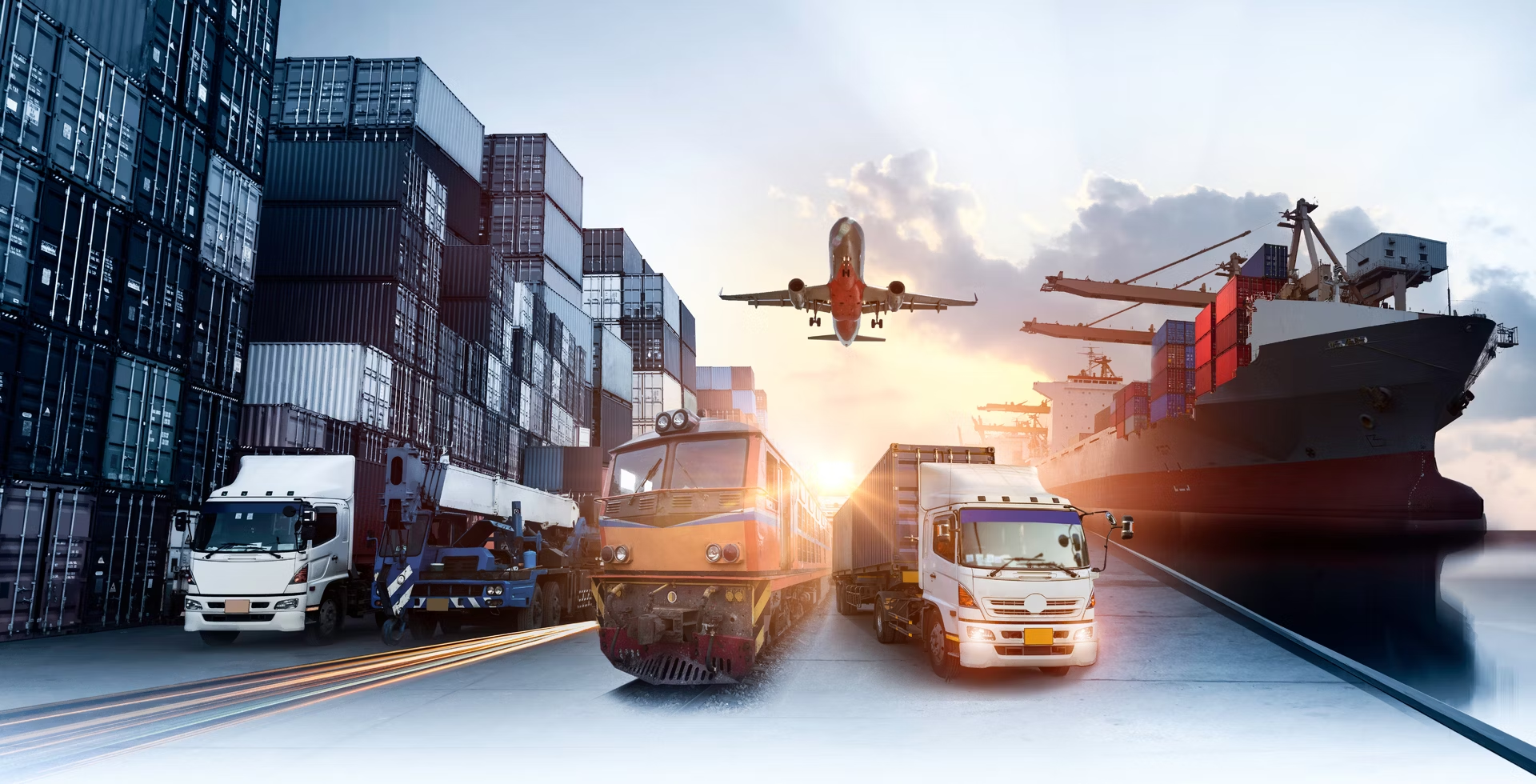
Introduction to Logistics and Its Importance
In the dynamic world of commerce, logistics plays a pivotal role in ensuring that businesses can operate efficiently and effectively. Logistics encompasses the comprehensive planning, implementation, and control processes that facilitate the seamless flow of goods and services from point of origin to point of consumption. Understanding logistics is essential for businesses aiming to enhance their operational efficiency and customer satisfaction. For a deeper exploration of the logistics framework, consider checking this Logistics resource.
Definition and Scope of Logistics
Logistics refers to the intricate process involved in the coordination and movement of resources, which includes materials, information, and finances throughout the supply chain. According to the Council of Supply Chain Management Professionals (CSCMP), logistics encompasses several systematic integration aspects, from procurement and warehousing to transportation and distribution. In essence, logistics supports business functions, ensuring that products are delivered to customers in the right quantity, at the right time, and in the right condition.
Historical Evolution of Logistics
The origins of logistics can be traced back to military operations in ancient Egypt, where strategic planning was essential for the successful transportation of troops and supplies. Over centuries, logistics evolved, expanded beyond military applications, and became integral to commercial activities. The term "logistics" emerged in the 19th century during the Industrial Revolution, marking a significant shift towards organized supply chain management that we recognize today. The technological advancements in the 20th and 21st centuries have further revolutionized the logistics sector, incorporating sophisticated software and analytical tools to optimize processes.
The Role of Logistics in Supply Chain Management
Logistics embodies a critical component of supply chain management, acting as a bridge that connects various supply chain elements. It involves planning and executing steps from procurement of raw materials to the final delivery of products to consumers. Effective logistics management leads to reduced operational costs, improved customer service, and enhanced competitive advantage. As businesses become more globalized, the complexity and importance of logistics continue to increase, necessitating strategic oversight and innovative solutions to meet evolving demands.
Types of Logistics Services
Inbound and Outbound Logistics
Logistics can primarily be categorized into inbound and outbound logistics. Inbound logistics focuses on the transportation, storage, and receiving of materials and goods that a company needs to manufacture products. This includes supplier negotiations, inventory management, and materials handling. Outbound logistics, on the other hand, pertains to the processes required to deliver the finished products to customers, which encompasses the distribution, warehousing, and transportation of goods. Understanding the distinction between these two categories is essential for optimizing supply chain efficiency and reducing costs.
Third-party Logistics (3PL) Explained
Third-party logistics providers (3PLs) offer outsourced logistics services that encompass transportation, warehousing, and distribution. By leveraging the expertise and infrastructure of 3PLs, businesses can focus on their core competencies while benefiting from improved logistics efficiencies and cost reductions. A 3PL can provide flexibility and scalability to accommodate fluctuating market demands, allowing businesses to navigate the complexities of the supply chain with ease. Businesses can choose to engage with 3PL companies for specialized services or as a complete logistics solution, depending on their needs.
Integrated Logistics Solutions
Integrated logistics solutions are comprehensive systems that combine various logistics services into a cohesive framework. These solutions aim to enhance efficiency by streamlining operations, thus reducing redundancies and improving communication across the supply chain. Businesses can implement integrated logistics solutions to facilitate better collaboration among suppliers, partners, and customers while maintaining control over their inventory and distribution processes. With integrated logistics, companies can achieve significant cost savings and improve service delivery through real-time monitoring and data-driven insights.
Challenges in the Logistics Industry
Common Obstacles Faced by Logistics Providers
The logistics industry faces a myriad of challenges, ranging from fluctuating fuel prices to sudden shifts in consumer demand and regulatory changes. Disruptions caused by natural disasters or geopolitical tensions also pose significant risks to supply chains. Additionally, logistics providers struggle with maintaining visibility across complex networks, leading to inefficiencies and heightened operational costs. Addressing these obstacles requires proactive planning, consistent evaluations, and the adoption of adaptive strategies to mitigate risks.
Impact of Technology on Logistics Challenges
Technology plays a crucial role in addressing the challenges faced by logistics providers. Digital transformation, through the use of advanced analytics, artificial intelligence, and machine learning, allows companies to monitor real-time data, optimize routing and scheduling, and enhance inventory management. Adopting technology not only enhances operational efficiency but also improves decision-making processes. However, the rapid pace of technological advancements also poses challenges in terms of implementation costs and training. Companies must strike a balance between leveraging new innovations and managing their existing resources effectively.
Addressing Sustainability Issues in Logistics
The logistics sector faces growing pressure to adopt sustainable practices that minimize environmental impact. Companies are challenged to reduce carbon emissions, enhance energy efficiency, and optimize waste management in their logistics operations. Strategies such as implementing green transportation methods, using sustainable packaging materials, and adopting circular economy principles are essential in addressing sustainability challenges. By prioritizing sustainable logistics, businesses not only contribute to environmental preservation but can also differentiate themselves in an increasingly eco-conscious marketplace.
Best Practices for Efficient Logistics Management
Data-Driven Decision Making in Logistics
Leveraging data analytics is critical for making informed decisions in logistics management. By analyzing historical data and market trends, logistics managers can forecast demand, optimize inventory levels, and enhance route planning. Utilizing data-driven insights allows businesses to reduce costs, increase efficiency, and improve customer satisfaction. Establishing key performance indicators (KPIs) and embracing a culture of continuous improvement can drive valuable insights that inform logistics strategies and operational adjustments.
Utilizing Technology for Optimization
Technology can propel logistics optimization to new heights. Solutions such as Transportation Management Systems (TMS), Warehouse Management Systems (WMS), and automated inventory management tools can streamline processes and reduce manual errors. Integrating these systems fosters real-time data visibility and enhances communication across the entire supply chain. Innovations like blockchain are also emerging, promising to enhance transparency and traceability, which are vital in building trust and strengthening relationships with stakeholders.
Building Strong Partnerships in Logistics
The logistics landscape is heavily dependent on collaboration. Building strong partnerships with suppliers, 3PL providers, and technology vendors is essential for achieving logistics success. Establishing clear communication channels and fostering collaborative relationships can lead to innovative solutions and shared growth among stakeholders. Regular evaluations of partnerships, including performance assessments based on agreed-upon metrics, ensure that all parties are aligned and committed to mutually beneficial goals.
The Future of Logistics: Trends and Innovations
Emerging Technologies in Logistics Management
As the logistics industry continues to evolve, emerging technologies are at the forefront of shaping its future. The Internet of Things (IoT) enables real-time tracking and monitoring of shipments, providing transparency and reducing the risk of delays. Robotics and automation are increasingly utilized in warehouses for picking, packing, and sorting, enhancing efficiency and reducing labor costs. Furthermore, advancements in autonomous vehicles promise to transform last-mile delivery, enabling faster and more reliable service.
The Shift Towards Sustainable Logistics Solutions
With heightened awareness of environmental issues, the logistics industry is witnessing a pronounced shift toward sustainability. Companies are actively seeking alternatives to fossil fuels, enhancing energy efficiency in transportation, and adopting eco-friendly packaging solutions. Sustainable practices not only mitigate environmental impacts but also resonate with consumers who prioritize sustainability in their purchasing decisions. Businesses that embrace sustainability can enjoy long-term benefits, including customer loyalty, regulatory compliance, and reduced operational costs.
Predictions for the Logistics Industry
Looking ahead, the logistics industry is poised for substantial growth and innovation. As e-commerce continues to thrive, the demand for agile and efficient logistics solutions will increase. Companies will increasingly prioritize omnichannel strategies that cater to customers' needs, emphasizing speed and convenience in delivery services. Additionally, we can anticipate a continued focus on leveraging data and technology to enhance operations, streamline processes, and mitigate risks. Overall, those companies that are proactive in adapting to changing market dynamics will be best positioned for success in the future of logistics.