Understanding Holiday Camps
What Are Holiday Camps?
Holiday camps are specialized programs designed to provide children and teenagers engaging and enriching experiences during school breaks. These camps can take various forms, ranging from day camps to residential camps, catering to diverse interests and age groups. They often focus on a plethora of activities aimed at personal development, socialization, and skill enhancement. Holiday camps offer an integral space where young minds can thrive outside the traditional classroom environment.
Benefits of Attending Holiday Camps
Participating in holiday camps presents numerous advantages. Primarily, these camps promote social skills as children make new friends, collaborate on group activities, and learn from peers. Additionally, they often enhance children's self-esteem and independence. Through various engaging activities, kids develop problem-solving skills, creativity, and physical health. Moreover, camps can introduce children to new hobbies and talents they might explore further in life.
Different Types of Holiday Camps
Holiday camps can be categorized into several distinct types, such as:
- Sports Camps: Focused on athletics, these camps help children improve their physical abilities and teamwork skills.
- Arts Camps: Catering to those interested in creative outlets, these camps encourage artistic expression through mediums like painting, music, and theater.
- Academic Camps: Geared towards enhancing educational skills, these camps aim at providing enrichment in subjects like science, math, and literature.
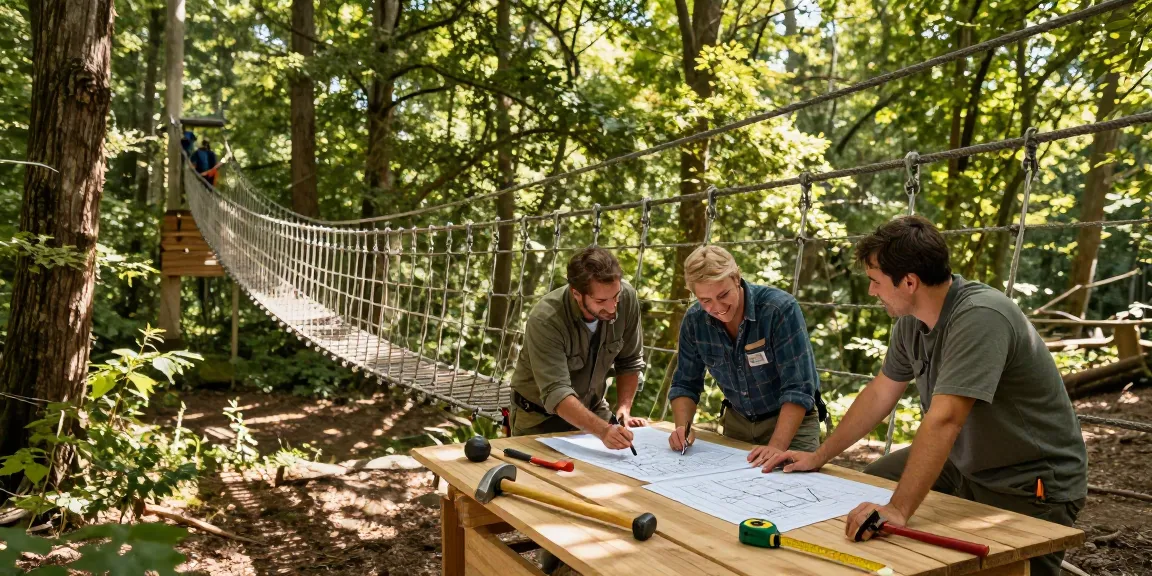
- Adventure Camps: Offering a mix of outdoor activities such as hiking, rafting, and rock climbing, these camps focus on developing survival skills and fostering teamwork.
- Special Needs Camps: Tailored specifically for children with special needs, these camps aim to create inclusive environments that cater to various abilities and provide specialized attention.
Choosing the Right Holiday Camp
Factors to Consider When Selecting a Camp
When choosing a holiday camp, several factors come into play. Firstly, consider the age and interests of your child; this will significantly influence their enjoyment and participation. Look for camps that align with your child’s preferences and strengths. Additionally, evaluate the camp's location, duration, and schedule to ensure it fits your family's logistics. Cost is another critical consideration, so ascertain the overall fees, including any additional charges for activities or supplies.
Evaluating Camp Programs and Activities
Before finalizing a camp, it's essential to delve into the details of the programs and activities offered. Review the daily itinerary to assess whether a good mix of activities is provided. Look for programs that balance physical, creative, and educational components, as this well-rounded approach is often most beneficial. Also, consider asking about the camper-to-counselor ratio; lower ratios typically ensure that children receive more individualized attention.
Understanding Camp Policies and Safety Measures
Safety should be a priority while selecting a holiday camp. Check for the camp’s certifications and adherence to safety regulations. Inquire about staff training, emergency protocols, and health facilities available on-site. Understanding the camp's policies around bullying, inclusivity, and communication with parents will also help you gauge the environment's overall safety and security.
Activities Offered at Holiday Camps
Outdoor Adventures and Sports
Outdoor sports and adventure activities are staples of many holiday camps. They often include swimming, team sports, hiking, and more adventurous activities like climbing or zip-lining. These activities not only promote physical fitness but also teach vital life skills such as leadership, resilience, and collaboration. Moreover, they provide children with opportunities to explore nature and develop a sense of environmental stewardship.
Arts, Crafts, and Creative Learning
Many camps prioritize creative expression, offering art and craft sessions that cater to various interests. These activities can range from painting to sculpture and photography to music. Engaging in arts and crafts fosters creativity and allows children to discover and nurture their artistic talents while developing fine motor skills and patience.
Cultural and Educational Workshops
Incorporating educational workshops into holiday camp schedules can be tremendously beneficial. These can include science experiments, technology projects, or even cooking classes that provide children with practical knowledge and skills. Cultural workshops, such as language classes or global cultural awareness, also broaden their perspectives and encourage appreciation for diversity.
Preparing for a Holiday Camp Experience
What to Pack for the Camp
Packing efficiently for camp is crucial for a successful experience. Essential items typically include casual clothing suitable for various activities, comfortable footwear, toiletries, and any personal items like a favorite book or toy. Many camps provide specific packing lists that outline required gear, so always check in advance to avoid last-minute scrambles.
Emotional Preparation for Kids
Emotional readiness is vital before attending a holiday camp. Engage your child in conversations about what they can expect. Discuss any fears they might have and share tips for overcoming homesickness. Role-playing scenarios can help children visualize and feel more comfortable with upcoming experiences, reinforcing the excitement of making new friends and trying new activities.
Involving Parents in the Process
Parental involvement can significantly impact a child’s holiday camp experience. Attend pre-camp orientations if available, as these sessions often provide valuable insights into what to expect. Establish open channels of communication with camp staff, ensuring you can reach out throughout the camp if needed. Also, check on updates about your child's progress and well-being regularly during their stay, promoting peace of mind.
FAQs about Holiday Camps
How do I find holiday camps near me?
Finding local holiday camps can be done through online searches, community centers, and local schools. Websites specializing in camp directory listings can also provide comprehensive information on options available in your area.
What is the typical cost of holiday camps?
The cost varies widely depending on location, duration, and the type of activities offered. On average, you can expect to pay between $50 to $500 per week, with day camps typically being more affordable than overnight programs.
Are holiday camps safe for children?
Safety is a priority for most reputable holiday camps. Ensure to research the camp's safety protocols, staff training, and emergency measures before enrollment to ensure a secure environment for your child.
How long do holiday camps usually last?
Holiday camps can range from a single day to several weeks. Summer camps typically last about two to eight weeks, while holiday break camps might offer shorter options over winter or spring breaks.
Can kids change activities at holiday camps?
Most camps allow flexibility in activities, permitting children to choose or switch activities throughout the day. Check the camp’s specific policies to understand how they accommodate individual choices within their program.