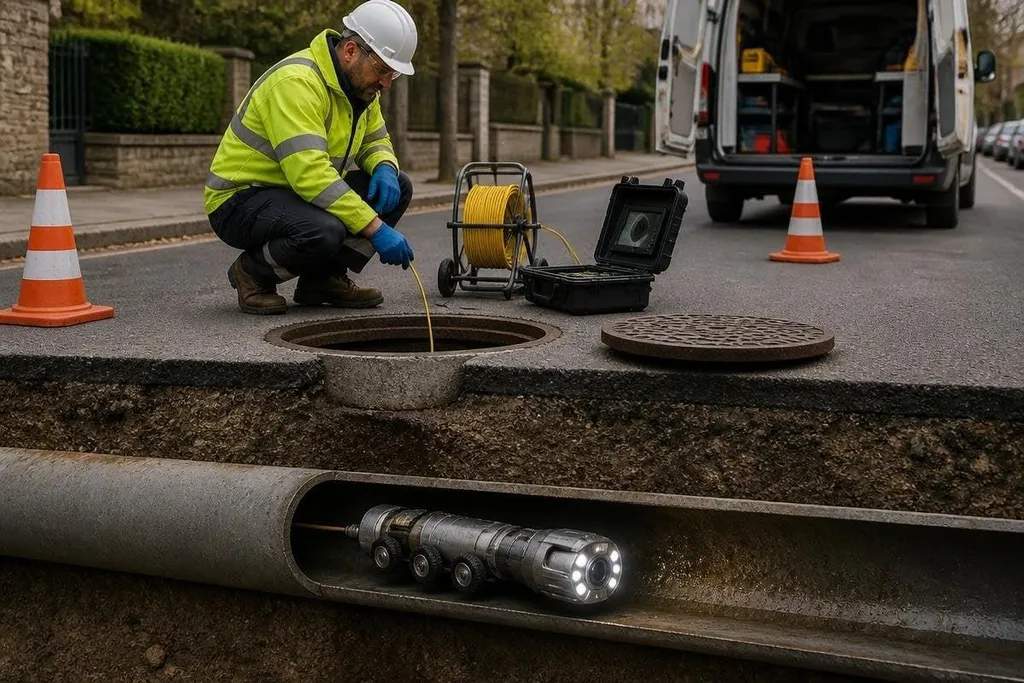
A pipeline robot can inspect a buried line without digging up the road above it. It moves through the pipe, checks the inner wall, and sends data back to an operator who can plan the next repair.
The useful question is where that robot can work, what it can detect, and when its report is good enough to guide a maintenance decision.
Quick read
- Internal inspection can find wall damage without exposing the full pipe.
- Cameras show surface condition, while other sensors can check metal loss or shape.
- Blockages, bends, poor access, and weak data links still limit many systems.
How pipeline robots work
A pipeline inspection robot travels inside the pipe as the line is empty, shut down, or still carrying fluid, depending on its design.
A common tool is an inspection gauge, often called a PIG, which moves with the flow or gets pushed through the line by pressure.
The robot keeps contact with the pipe wall through wheels, seals, or a flexible body. That contact helps its sensors stay at a known distance from the surface, which makes the recorded data easier to read.
A camera gives an operator a direct view of cracks, corrosion, deposits, broken joints, and objects inside the pipe. Other inspection tools use magnetic fields, ultrasound, or laser measurements. Each method sees a different part of the problem, so a camera report alone can't answer every maintenance question.
Some robots also record their position as they move. That lets the inspection team connect a defect to a section of pipe, valve, bend, or access point. A repair crew can then reach the right place instead of opening a long section of ground to search for damage.
What the data changes
The main gain is a better repair decision. An operator can compare the condition of one pipe section with earlier inspection data, mark a defect for review, and plan work around the actual location.
That matters for buried water, gas, oil, and chemical lines because the pipe may run under roads, buildings, rail tracks, or private land. Digging may cost more than the repair itself, and excavation can interrupt traffic or service even when the pipe has a small defect.
Pipeline robots also reduce the need for people to enter confined spaces. The robot takes the first look while staff remain at the control point. Human inspection still matters, but the robot can reach places where walking access would be slow or unsafe.
A pipeline operator comparing inspection systems needs the robot model, pipe diameter, test date, sensor, and measured result beside each claim. Those are the details to check in pipeline robotics coverage from Robot24.com before the next section looks at where these systems fail.
Where the robots fail
A pipe must give the robot enough room to move. Tight bends, sudden changes in diameter, heavy deposits, standing water, and damaged sections can stop the system or reduce the quality of its readings.
Power and communication also shape the job. Some robots carry batteries and store data for later review. Others send video through a cable, which gives the operator a live view but can limit travel distance and add a physical snag point.
The report has limits too. A sensor may detect a change in the pipe wall without showing how fast that change is growing. An operator still needs pipe records, material data, pressure history, and a follow-up check before choosing a repair method.
That is why a robot report should support an inspection plan, not replace one. I'd reject any purchase based on a demo that never states the pipe sizes, bends, speed, sensor type, and defect limits it can handle.
Check the fit before buying
Use this list before you approve a trial:
- Map the pipe: record diameter, length, bends, valves, access points, and known blockages.
- Name the defect: decide if you need images, wall-thickness data, shape measurements, or a mix.
- Check the route: confirm how the robot enters, turns around, and gets out after the inspection.
- Set the data test: ask how the system marks location, stores readings, and flags uncertain results.
- Plan the follow-up: define who reviews the report and what evidence triggers repair work.
A short trial in a known section of pipe can show whether the robot moves through the route and finds defects that staff have already measured. That gives the team a fair test of movement, sensor readings, and report quality before a longer inspection.
The next step for pipeline robots is not a single machine that works everywhere. It is better matching between pipe design, sensor choice, and the repair decision that follows. The useful system will be the one that reaches the right section, records usable evidence, and tells the crew what to inspect next.