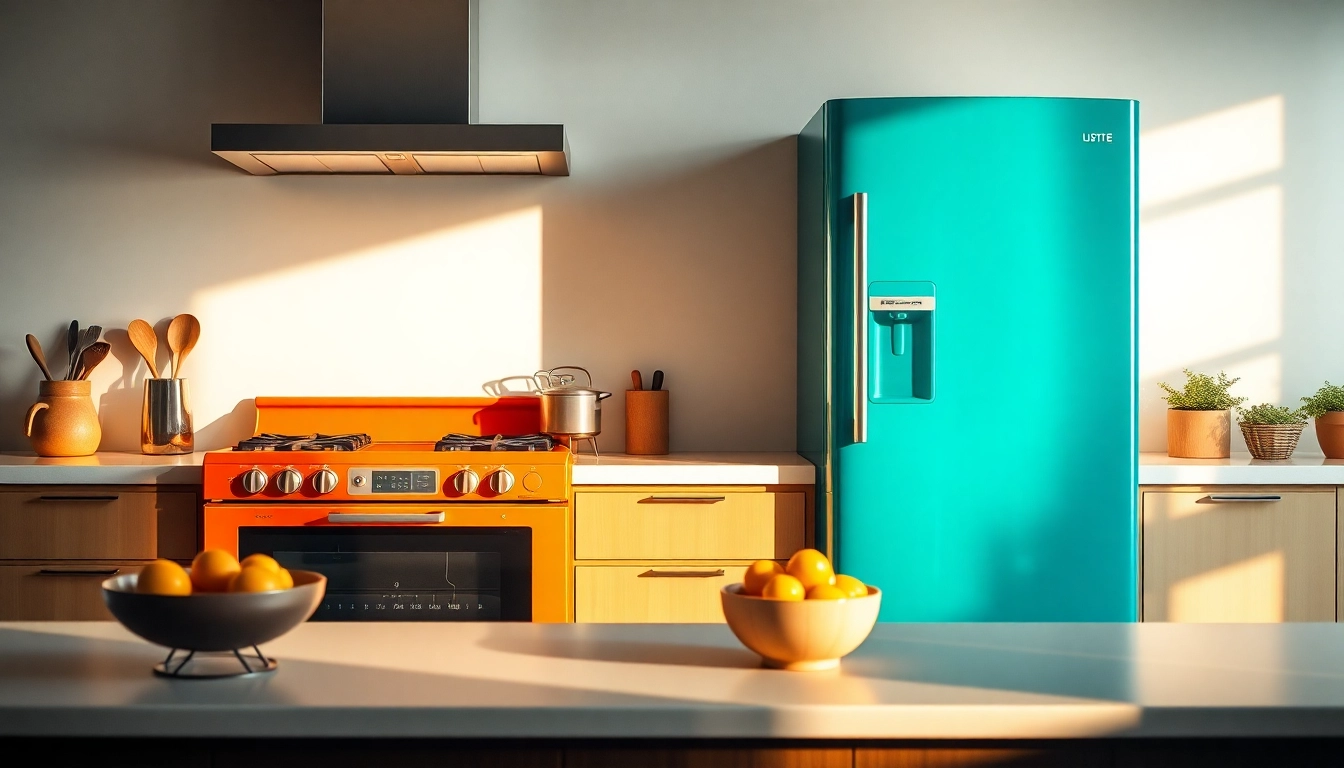
1. Understanding Home Appliances
1.1 What Are Home Appliances?
Home appliances are essential devices that utilize electricity or gas to assist with household tasks, ranging from cooking and cleaning to food preservation. These machines and tools improve efficiency at home, saving time and labor. Using home appliances allows individuals to focus on more meaningful activities, enriching daily life.
1.2 Categories of Home Appliances
Home appliances can be classified into two main categories: major appliances and small appliances. Major appliances include larger, built-in devices like refrigerators, ovens, and washing machines that are typically harder to move and integrated into the home structure. Small appliances, on the other hand, are portable, with items such as toasters, microwave ovens, and coffee makers.
1.3 Importance of Home Appliances in Daily Life
The significance of home appliances cannot be overstated. They contribute to a comfortable, well-functioning environment. For instance, refrigerators keep food fresh, washing machines save manual labor in cleaning clothes, and dishwashers allow for efficient clean-up after meals. Overall, these devices enhance quality of life, promoting health and convenience.
2. Choosing the Right Home Appliances
2.1 Assessing Your Needs
Before purchasing home appliances, it’s crucial to assess your personal needs and lifestyle. Consider your cooking habits, family size, and available space. For a busy family, larger appliances might be necessary, while a single person or couple may prioritize multi-functional smaller appliances. Evaluating your specific needs lays the foundation for wise purchases.
2.2 Energy Efficiency Considerations
Energy efficiency is a vital factor in home appliance selection. Energy-efficient appliances consume less power while delivering the same performance, leading to lower utility bills and a reduced environmental footprint. Look for appliances with Energy Star ratings or similar certifications that indicate compliance with energy-saving standards. Additionally, these appliances often qualify for rebates or tax credits, further incentivizing their selection.
2.3 Budgeting for Home Appliances
Budgeting plays a key role in choosing home appliances. Start by determining how much you’re willing to invest and research the price ranges for various models. Keep in mind that while budget appliances may save you money upfront, more expensive, high-quality appliances can prove more reliable and cost-effective in the long run thanks to durability and energy savings. Don’t forget to include installation and maintenance costs in your overall budget.
3. Installation and Maintenance of Home Appliances
3.1 Best Practices for Installation
Correct installation is crucial for the safe and efficient operation of home appliances. For major installations, consulting a professional is advisable to ensure compliance with safety standards and guaranteed performance. Understand your appliances’ installation requirements; for example, dishwashers need proper drainage and water connections, while refrigerators require adequate ventilation to function optimally.
3.2 Regular Maintenance Tips
Just like any other equipment, home appliances need regular maintenance for longevity and performance. Here are some best practices:
- Clean appliances regularly, following manufacturer instructions.
- Check and replace filters as needed, especially in air conditioners and refrigerators.
- Keep the surrounding area tidy and free from obstructions to ensure proper airflow.
Implementing these measures can prevent avoidable breakdowns and extend the lifespans of your devices.
3.3 Troubleshooting Common Issues
Even with proper care, appliances can face issues. Common problems might include strange noises, leaks, or failure to operate. Most appliances come with troubleshooting guides that can address basic problems. For instance, if a washing machine won't spin, check the door lock mechanism and ensure that the load is balanced. For persistent issues, consider contacting professionals for repairs.
4. Modern Innovations in Home Appliances
4.1 Smart Technology Integration
Smart technology has transformed traditional appliances into connected devices. With features such as remote access, voice control, and smart home integration, users can monitor and operate their home appliances from smartphones or other devices. This technology allows for greater convenience and energy management, making daily tasks more seamless.
4.2 Sustainable Appliances for Eco-Friendly Living
As sustainability becomes a crucial aspect of consumer choices, many manufacturers are focusing on eco-friendly appliances. These units are designed to consume less water and energy, utilize recyclable materials, and reduce waste. Opting for such appliances not only conserves resources but also enhances eco-conscious practices in everyday living.
4.3 Trends Shaping the Future of Home Appliances
Trends indicate that the future of home appliances will lean heavily towards automation, energy conservation, and aesthetics. Innovative designs will become increasingly important as consumers seek appliances that complement their interior decor. Additionally, the rise of health-conscious living will likely prioritize appliances equipped with advanced cooking technology and food safety features.
5. Frequently Asked Questions about Home Appliances
5.1 What are the most essential home appliances for a new home?
Key essentials include a refrigerator, washing machine, oven, stove, and microwave. These appliances cater to basic cooking and laundry needs, making them indispensable for any new home.
5.2 How do I choose energy-efficient home appliances?
Look for appliances with Energy Star certifications, compare energy consumption ratings, and consider long-term savings on utility bills. Researching user reviews can also help identify effective models.
5.3 What should I consider for home appliance maintenance?
Regular cleaning, following manufacturer guidelines, and timely replacement of worn-out parts are crucial. Schedule periodic professional check-ups to maintain efficiency and extend lifespan.
5.4 How often should home appliances be replaced?
Typically, major appliances should last 10 to 15 years, while smaller ones may need replacement every 5 to 10 years. Consider performance issues and maintenance costs when deciding if replacement is necessary.
5.5 Are there any benefits to using smart home appliances?
Yes, smart appliances offer convenience, improved efficiency, remote monitoring, and better energy management. They can enhance lifestyle by integrating with home automation systems.