
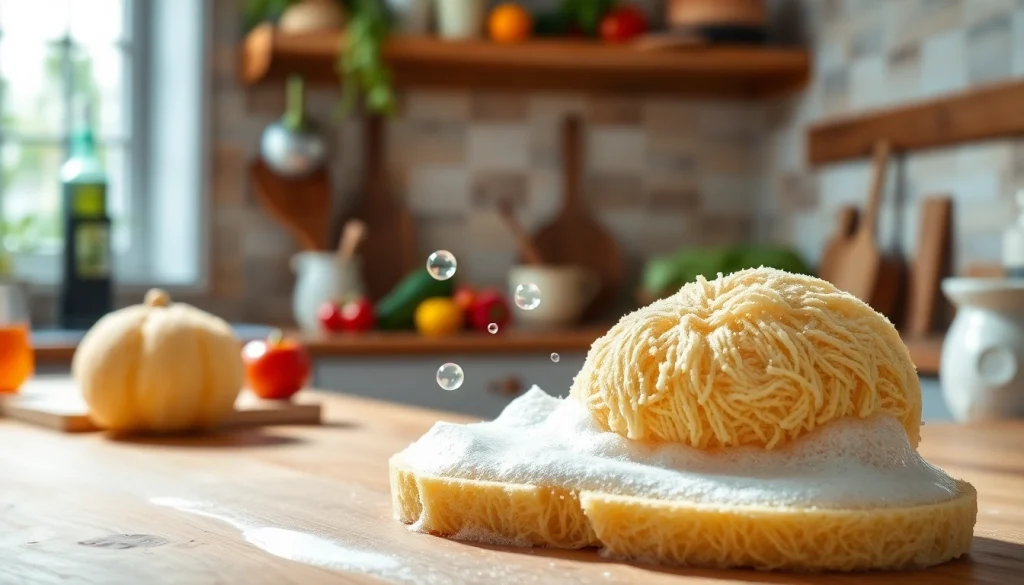
Understanding Kitchen Loofah Benefits
The kitchen is often the heart of the home, bustling with activity and demands for cleanliness. One essential item that is gaining attention in this space is the loofah. Known for its versatility, a kitchen loofah offers numerous benefits far beyond its traditional uses. Discovering the kitchen loofah benefits can transform your cleaning habits while promoting sustainability and health in your home.
The Natural Origins of Loofahs
Loofahs, often mistakenly thought to be sponges, are derived from the dried fruit of the Luffa plant, which is part of the cucumber family. These natural cleaning tools have been utilized for centuries, tracing their origins back to ancient civilizations where they were valued for their scrubbing abilities and natural composition. Unlike synthetic sponges, which are made from plastics and other chemicals, loofahs are fully biodegradable, making them an eco-friendly alternative.
How Kitchen Loofahs Promote Sustainability
In our environmentally conscious world, the switch to kitchen loofahs symbolizes a step towards sustainable living. By using a kitchen loofah instead of synthetic sponges, you replace a single-use product with a compostable option that reduces plastic waste. A single loofah can be used for weeks or even months with proper care, reducing the frequency of disposal. Once it reaches the end of its life cycle, it can break down naturally, enriching the soil rather than contributing to landfill. This shift not only helps in minimizing waste but also supports sustainable farming practices, as many loofah varieties are grown without harmful pesticides.
Health Benefits of Using Kitchen Loofahs
Integrating kitchen loofahs into your cooking and cleaning routines brings numerous health benefits. Loofahs are antimicrobial by nature, which means they can help reduce microbial growth in your kitchen, a place often exposed to harmful bacteria. Their fibrous texture allows for effective scrubbing while being gentle enough not to scratch surfaces. This means they can be used safely on pots, pans, and countertops, ensuring that your kitchen remains clean without harsh chemical cleaners. Additionally, loofahs do not harbor harmful substances, making them a safer choice for families with children or those with skin sensitivities.
Incorporating Loofahs into Your Kitchen Routine
Choosing the Right Loofah for Kitchen Use
Not all loofahs are created equal. When selecting one for your kitchen, look for 100% natural loofah products, as they provide the most effective cleaning benefits. Some loofahs come pre-cut and shaped, making them easier to handle. Consider the tasks you will be using them for; softer, more flexible loofahs may be preferable for delicate surfaces, while firmer ones are great for scrubbing tough stains. Brand reputation can also be essential; choose products that adhere to sustainable practices and quality sourcing.
Cleaning and Maintaining Your Kitchen Loofah
To maximize the benefits of your kitchen loofah, proper maintenance is crucial. After each use, rinse the loofah thoroughly under hot water to remove food particles and soap. Squeeze out excess water gently to prevent bacterial growth. To sanitize, you can soak it in a mixture of vinegar and water periodically. Allow your loofah to dry in a well-ventilated area, as moisture can promote mold growth. If you notice any discoloration or a foul smell, it’s time to replace your loofah.
Storage Tips for Longevity
Keeping your kitchen loofah in the right environment can prolong its life. Store it in a dry place away from direct sunlight, as UV rays can degrade the fibers over time. Consider hanging it in a mesh bag or a designated holder that allows air circulation. This not only helps in keeping it dry but also prevents it from gathering dust or germs that thrive in damp areas. If you have multiple loofahs for different uses, label them to avoid confusion and enhance hygiene practices.
Comparing Kitchen Loofahs to Traditional Sponges
Longevity and Durability of Loofahs
Compared to traditional sponges, kitchen loofahs offer significantly longer-lasting durability. A well-cared-for loofah can last from four to six weeks, while synthetic sponges typically last a fraction of that time, requiring frequent replacements. The resilience of loofahs means they can tackle numerous cleaning tasks without deteriorating quickly, saving both money and resources in the long run.
Environmental Impact of Traditional Sponges vs. Loofahs
Environmental concerns surrounding plastic waste have been brought to light in recent years, making the choice between loofahs and traditional sponges more critical. Traditional synthetic sponges are petroleum-based and contribute heavily to landfill issues, as they do not decompose easily. Conversely, loofahs are a sustainable choice that can decompose in compost, thus leaving a minimal carbon footprint and supporting environmental conservation efforts.
Cost-Effectiveness of Kitchen Loofahs
While kitchen loofahs may initially appear slightly more expensive than traditional sponges, their longevity and reusability mean they are more cost-effective over time. Typically, you will save on frequent replacements that come with synthetic sponges. Furthermore, considering the health and environmental benefits they provide, the investment in quality loofahs pays off significantly in the bigger picture.
Creative Uses for Kitchen Loofahs
Kitchen Cleaning Techniques
Kitchenaids are known for their ingenious cleaning hacks, and loofahs fit right in! Use your kitchen loofah for scrubbing dishes, eliminating stubborn food residues, and cleansing surfaces. Their texture is perfect for cleaning cutting boards and countertops without leaving scratches. Additionally, loofahs can also serve well in cleaning pet dishes or even floor tiles, making them versatile tools for various cleaning tasks.
Using Loofahs for Food Preparation
Beyond cleaning, kitchen loofahs can aid in food preparation. You can use them to scrub root vegetables such as potatoes or carrots, removing dirt and debris without harming the skin. Their natural fibers gently clean without requiring additional soap or harsh chemicals. This helps maintain the integrity and taste of your food. Rinse and dry the loofah after use to keep it in prime condition for the next task.
DIY Projects Involving Loofahs
If you enjoy DIY projects, loofahs can be transformed into various fun tools and crafts. Consider making natural bath scrubs, potpourri, or even biodegradable plant containers using dried loofah slices. You could also create decorative pieces for your home by pairing loofahs with other natural elements like dried flowers or herbs, showcasing their beauty while supporting eco-friendliness.
Addressing Common Concerns About Kitchen Loofahs
Potential Allergen and Skin Sensitivity
While kitchen loofahs are generally safe and non-allergenic, some individuals may have sensitivities to natural materials. Always consider conducting a patch test if using a loofah for the first time, especially on sensitive skin. Choosing organic and sustainably sourced loofahs can reduce the risk of exposure to harmful pesticides or chemicals, making them safer for your family.
Effectiveness Against Germs and Bacteria
There is a common misconception that loofahs harbor bacteria; however, when properly maintained, they can be effective in minimizing bacterial contamination. Rinsing, drying, and regular sanitizing help maintain their efficacy. Additionally, some studies suggest that the natural fibers of loofah can inhibit bacterial growth when compared to traditional sponges.
Myths Surrounding Loofah Usage in the Kitchen
Several myths circulate regarding the use of loofahs, particularly their effectiveness and lifespan. One common myth is that they are ineffective for tough cleaning tasks. In reality, their natural scrubbing ability makes them ideal for various surfaces. Another myth is that they harbor harmful bacteria; however, this can be avoided with proper care. It’s crucial to educate oneself on effective usage to fully appreciate the benefits of kitchen loofahs.
FAQs
What are the primary kitchen loofah benefits?
Kitchen loofah benefits include natural cleaning properties, sustainability, and gentleness on surfaces.
How often should I replace my kitchen loofah?
It’s best to replace your kitchen loofah every 3-4 weeks or sooner if it shows signs of wear or odor.
Can I use a kitchen loofah for cleaning dishes?
Yes, kitchen loofahs are great for washing dishes, as they are both effective and eco-friendly.
Do kitchen loofahs harbor bacteria?
Loofahs can harbor bacteria if not properly maintained. Rinse and dry them thoroughly after each use.
Are kitchen loofahs safe for all surfaces?
Yes, they’re safe for most surfaces, but always test on delicate materials to ensure no scratching occurs.