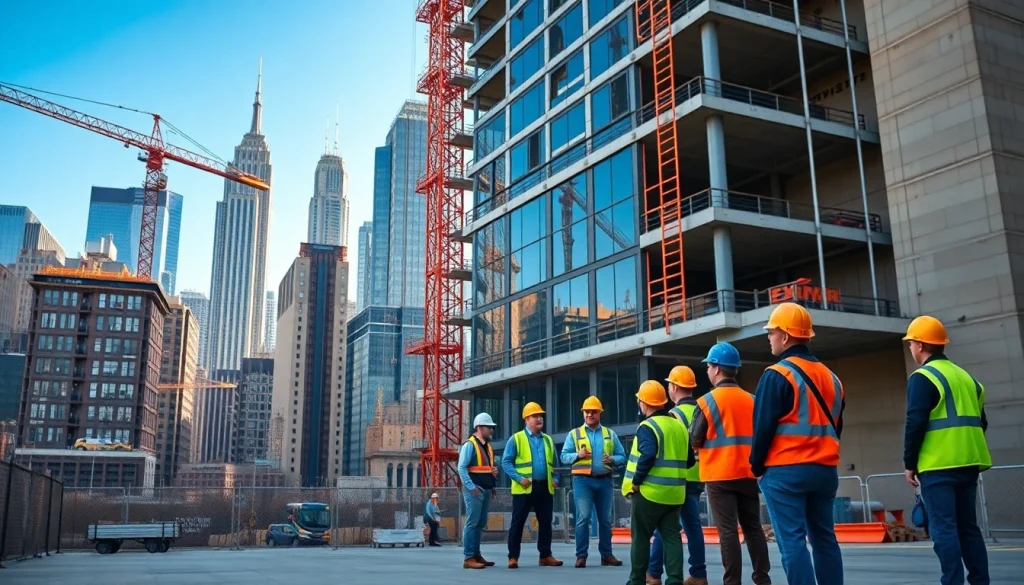
Understanding the Role of a New York City Commercial General Contractor
When embarking on a construction project in New York City, understanding the role of a New York City Commercial General Contractor is crucial. These professionals are the backbone of any commercial construction endeavor, orchestrating the myriad elements that contribute to a successful build. From design inception to project completion, general contractors are tasked with not just overseeing the construction processes but also ensuring compliance with local regulations, managing budgets, and leading teams of skilled tradespeople.
What is a Commercial General Contractor?
A Commercial General Contractor (CGC) is a licensed professional responsible for managing construction projects, particularly in commercial environments. Unlike residential contractors, CGCs focus on larger scale projects such as office buildings, shopping centers, industrial complexes, and multifamily homes. Their main objective is to transform architectural blueprints into functioning structures while maintaining high standards of quality, safety, and timeliness.
Key Responsibilities in New York City
The responsibilities of a CGC in New York City encompass several critical areas:
- Project Planning: CGCs create detailed project plans, outlining timelines, resources, and budgets. This strategic approach is essential in a fast-paced urban environment like NYC.
- Permitting and Compliance: Navigating the complex regulatory landscape is a significant part of a CGC’s job. This includes obtaining the necessary permits and ensuring all work meets local building codes and safety standards.
- Subcontractor Management: General contractors work with various subcontractors (electricians, plumbers, etc.) and are responsible for hiring, coordinating, and ensuring that subcontractors complete their work on schedule.
- Budget Management: Maintaining financial control is vital in commercial construction. CGCs manage budgets, track expenses, and work to prevent cost overruns that can jeopardize project viability.
- Quality Assurance: Regular inspections and quality checks are essential. CGCs must ensure that the work meets both client expectations and industry standards.
- Communication: A CGC acts as the main point of contact between all parties involved, including clients, architects, subcontractors, and suppliers, facilitating effective communication and project updates.
Benefits of Hiring a General Contractor
Engaging a Commercial General Contractor brings numerous advantages to construction projects:
- Expertise and Experience: CGCs have extensive knowledge in the construction industry, allowing them to anticipate potential challenges and devise effective solutions.
- Time Efficiency: With their experience in project management, CGCs streamline processes, ensuring projects stay on schedule, which is particularly beneficial in time-sensitive commercial ventures.
- Cost Savings: Although hiring a CGC involves a fee, their ability to manage budgets and negotiate with subcontractors often results in cost savings that outweigh the initial investment.
- Risk Management: CGCs help identify risks and implement strategies to mitigate potential issues, which can significantly reduce delays and additional costs.
- Single Point of Contact: Clients benefit from having one entity responsible for the entirety of the project, simplifying communication and accountability.
Choosing the Right New York City Commercial General Contractor
Selecting the right CGC is critical to the success of any commercial construction project. The right choice can determine not only how well the project runs but also its ultimate success.
Evaluating Experience and Expertise
When considering a CGC, a vital first step is evaluating their experience and expertise. Factors to assess include:
- Industry Experience: Look for contractors with a proven track record in projects similar to yours. A contractor experienced in retail construction, for example, will have insightful knowledge of challenges specific to that sector.
- Portfolio: Analyzing their workflow through a portfolio of completed projects can provide clarity on their capabilities and design preferences.
- Licensing and Insurance: Ensure that the contractor holds all necessary licenses and permits and carries adequate insurance coverage.
Reading Client Reviews and Testimonials
Reviews and testimonials are a powerful tool for gauging a general contractor’s reputation. Feedback from past clients can offer insights into their work ethic, reliability, communication style, and quality of work. Look for consistency in positive and negative reviews and pay attention to how contractors respond to feedback, indicating their commitment to client satisfaction.
Assessing Project Management Capabilities
Effective project management is crucial for timely and successful project completion. Assess potential CGCs on their methodology and tools used for project management. Key inquiries should include:
- Scheduling Tools: Inquire about their scheduling methods and software. A good CGC employs advanced project management tools that allow for real-time updates and tracking.
- Team Communication: Determine how they communicate with subcontractors and clients. A robust system promotes transparency and keeps everyone informed.
- Problem-Solving Strategies: Discuss how they handle unexpected issues or delays to gauge their capability to manage unforeseen circumstances.
Common Challenges with Commercial Construction Projects
While construction projects can be rewarding, they are not without challenges. Understanding these can help prepare you for potential hurdles.
Budget Overruns and Cost Management
One of the most prevalent issues in commercial construction is budget overruns. Reasons include unexpected site conditions, changes in material costs, and scope changes initiated by the client. To mitigate these risks, a robust budgeting process involving detailed estimates, contingency budgets, and frequent budget reviews is crucial. Collaborating with a CGC who is adept at cost tracking can help manage these aspects effectively.
Meeting Deadlines in Urban Environments
New York City’s unique landscape poses distinct challenges to maintaining deadlines. Construction in densely populated areas often leads to unforeseen delays due to logistical complications, weather conditions, or even community opposition. Establishing a flexible yet stringent timeline alongside a CGC who understands these dynamics can help navigate deadline-related challenges.
Navigating Local Building Regulations
Regulatory compliance is paramount in NYC, where building codes are stringent and often subject to change. A reliable CGC will have intimate knowledge of local laws and regulations, preventing costly delays and legal compliance issues. Continuous education and staying up to date with local legislation are essential qualities to look for in a contractor.
Best Practices for Effective Collaboration
Successful construction projects require seamless collaboration between all parties involved. Here are some best practices to ensure this collaboration is effective:
Establishing Clear Communication Channels
Open and transparent communication is the bedrock of any successful construction project. Establishing clear channels—be it through regular meetings, email updates, or project management software—ensures that every participant is aligned and informed, reducing the likelihood of misunderstandings.
Utilizing Project Management Tools
Adopting the right project management tools can dramatically improve efficiency. Software that allows for task assignment, scheduling, and progress tracking ensures everyone can stay on the same page. These tools facilitate real-time communication and document sharing, crucial for keeping the project on track.
Regular Site Meetings and Updates
Scheduling regular site meetings fosters an environment of collaboration and allows for immediate troubleshooting of any issues as they arise. These meetings serve as essential touchpoints for all stakeholders to assess progress, facilitate discussions, and make any necessary adjustments to the project plan.
Performance Metrics to Assess Contractor Success
Evaluating the success of a commercial general contractor involves specific performance metrics that reflect the effectiveness of their work.
Quality of Work Delivered
Quality assurance is a reflection of a contractor’s commitment to excellence. Assess the finished product against established quality standards, including durability, safety, and compliance with specifications. Incorporating third-party inspections can provide unbiased evaluations of quality.
Adherence to Timelines and Budgets
Timely completion and adherence to budget constraints are critical measures of contractor performance. Tracking project timelines and budgets throughout the construction process helps establish patterns that can inform future projects. Understanding the factors contributing to any deviations can lead to improved efficiency in the future.
Customer Satisfaction and Repeat Business
The satisfaction of clients can often be quantified by their willingness to engage a contractor for future projects. Gathering feedback through surveys can provide actionable insights into the client’s perspective on various facets of the project’s execution, including communication, quality, and professionalism.