
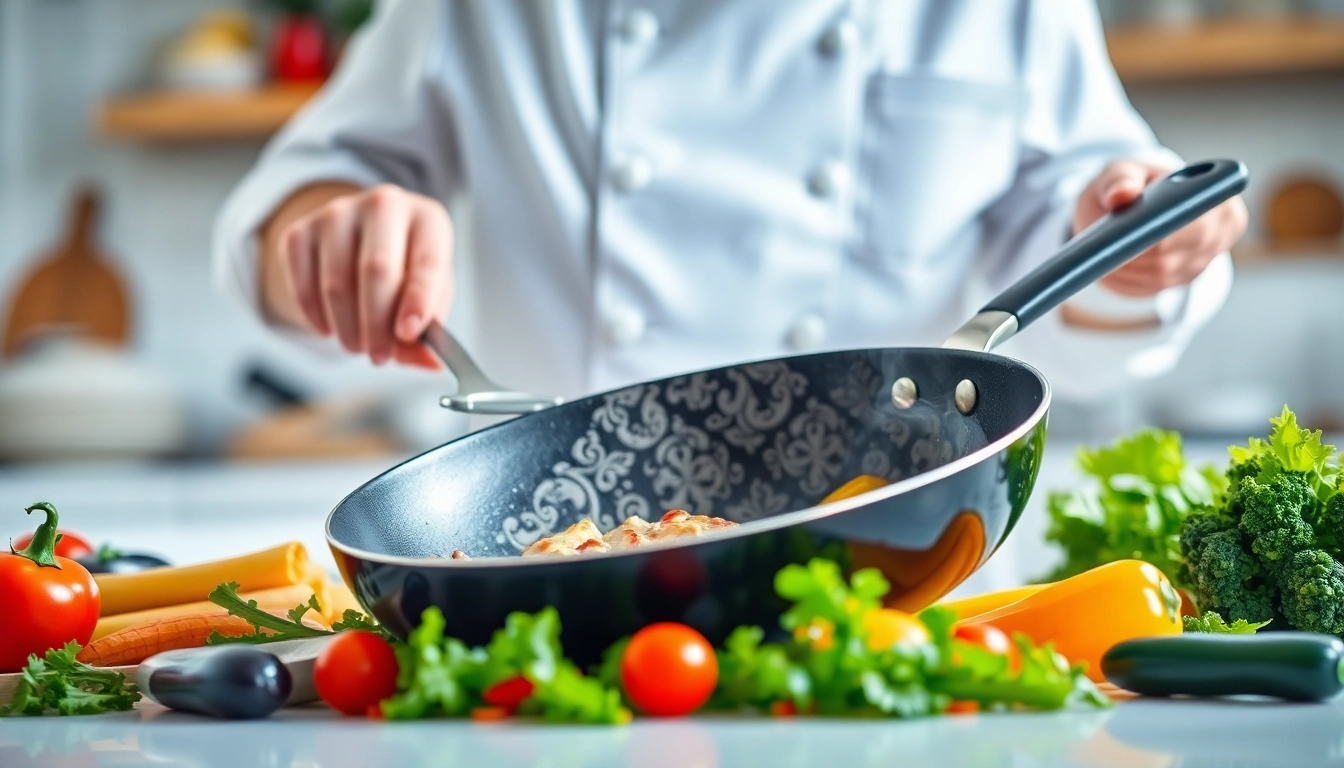
What Makes the Best Nonstick Pan NZ?
When it comes to equipping your kitchen, investing in the right cookware is essential. Among the variety of cooking tools available, the nonstick pan holds a prominent place due to its versatility and ease of use. Whether you’re frying eggs, sautéing vegetables, or preparing delicate sauces, the best nonstick pan NZ can make cooking a delightful experience. In this guide, we will delve into the key aspects that define a top-tier nonstick pan, helping you make an informed choice for your culinary needs.
Understanding Nonstick Coatings
The hallmark of a nonstick pan is its coating, which allows food to be cooked without sticking and makes for easier cleanup. There are various types of coatings available, including:
- Teflon (PTFE): A common choice, Teflon provides excellent nonstick properties but can degrade at high temperatures.
- Ceramic: Known for being more environmentally friendly, ceramic coatings are free from PTFE and PFOA, though they may not offer the same longevity.
- Granite and Stone Coatings: These offer a unique aesthetic and are often marketed as healthier options, though their nonstick capabilities can vary.
When selecting a nonstick pan, it’s essential to consider the type of coating that aligns with your cooking style and safety preferences. For a solid purchase, look for punctually marked best nonstick pan NZ that offers good quality and safety features.
Durability and Lifespan
The durability of nonstick pans can significantly vary based on the materials and manufacturing process. A high-quality pan can last several years, while lower-quality options may peel or flake after a short period. Here are some key indicators of durability:
- Quality of Materials: Look for pans made from heavy-gauge aluminum or stainless steel with a robust nonstick coating.
- Manufacturing Technique: Pans that are coated in multiple layers tend to offer better protection against wear and tear.
Safety Features to Consider
As nonstick pans became popular, concerns around safety emerged, particularly regarding harmful chemicals. Here’s what to check:
- PFOA-Free: Ensure that the pan is labeled PFOA-free to avoid potential risks associated with this chemical.
- Heat Resistance: Confirm the maximum heat resistance of the pan to prevent damage and ensure that it aligns with your cooking habits.
Top Features to Look for in a Nonstick Pan
Heat Distribution and Retention
A nonstick pan should distribute heat evenly to prevent hot spots that can lead to cooking inconsistencies. Look for options that incorporate a thick base or innovative design for improved heat retention.
Size and Shape Considerations
The size and shape of the nonstick pan dictate its functionality. For a versatile kitchen, consider the following sizes:
- 8-inch for eggs and single servings.
- 10-inch for general frying and sautéing.
- 12-inch for larger meals or family cooking.
Weight and Comfort in Handling
A good nonstick pan should feel comfortable in hand. Heavier pans often provide better stability and heat retention, while lighter pans are easier to manage. Look for ergonomic handles that remain cool during cooking to enhance safety and control.
Comparative Reviews of Best Nonstick Pan NZ
Best Budget Options
Affordability doesn’t mean compromising on quality. Many budget-friendly nonstick pans have garnered positive reviews for performance and durability. Look for features like even heat distribution and PFOA-free coatings to ensure you get the best value for your money.
Premium Choices for Serious Cooks
If you’re passionate about cooking, investing in a premium nonstick pan can elevate your culinary experience. Premium pans often offer advanced coating technology, superior heat retention, and long-lasting durability, making them suitable for various cooking methods.
Eco-friendly Alternatives
For those concerned about environmental impact, eco-friendly nonstick pans made from ceramic or stone-based materials are becoming increasingly popular. These options are generally free of harmful chemicals and can provide excellent nonstick performance while minimizing your carbon footprint.
How to Care for Your Nonstick Pan Effectively
Cleaning Techniques for Longevity
To extend the lifespan of your nonstick pan, follow these cleaning best practices:
- Use mild, non-abrasive cleaners and soft sponges.
- Avoid soaking a nonstick pan for prolonged periods.
- Hand wash whenever possible rather than using a dishwasher.
Avoiding Common Damage
Common damages to nonstick pans include scratches and warping. To safeguard your cookware:
- Use wooden or silicone utensils to prevent scratching.
- Avoid using high heat, which can degrade the coating.
When to Replace Your Pan
Even the best nonstick pans have a lifespan. Typically, it’s time to replace your pan if:
- The nonstick coating is flaking or peeling.
- The pan has warped or developed significant scratches.
- You notice food beginning to stick consistently despite proper care.
FAQs About Nonstick Pans
1. Are nonstick pans safe for cooking?
Yes, many nonstick pans are safe when used properly; always check for PFOA-free labels to ensure safety.
2. How do I find the best nonstick pan NZ?
Consider features such as coating type, durability, and user reviews to ensure an informed purchase decision.
3. Can nonstick pans be used on induction cooktops?
Some nonstick pans are induction compatible; always check product specifications to confirm usage suitability.
4. What is the best way to clean nonstick pans?
Use soft sponges and mild detergents; avoid abrasive tools that can damage the nonstick surface.
5. How long can I expect a nonstick pan to last?
With proper maintenance, a quality nonstick pan can last several years before needing replacement.

