Understanding the Benefits of Pond Plants
Pond plants play an instrumental role in enhancing the ecological balance of aquatic environments. With the increasing interest in garden ponds and aquatic landscapes, understanding the myriad benefits of these plants becomes paramount. From providing shelter for wildlife to enhancing the aesthetic appeal of your garden, the advantages are numerous. For those looking to enhance their landscaping with vibrant life, Buy Pond Plants Online offers a convenient avenue to explore a diverse range of species that cater to different pond conditions and designs.
Why Pond Plants Are Essential for Ecosystem Balance
Pond plants are vital for maintaining a balanced ecosystem. These organisms contribute to oxygen production through photosynthesis, which is essential for the survival of fish and other aquatic life. Additionally, they provide habitats for various species, including frogs, insects, and fish, thereby promoting biodiversity. Moreover, the roots of submerged plants help stabilize sediment, preventing soil erosion and decrease in water clarity.
How Pond Plants Enhance Aesthetic Appeal
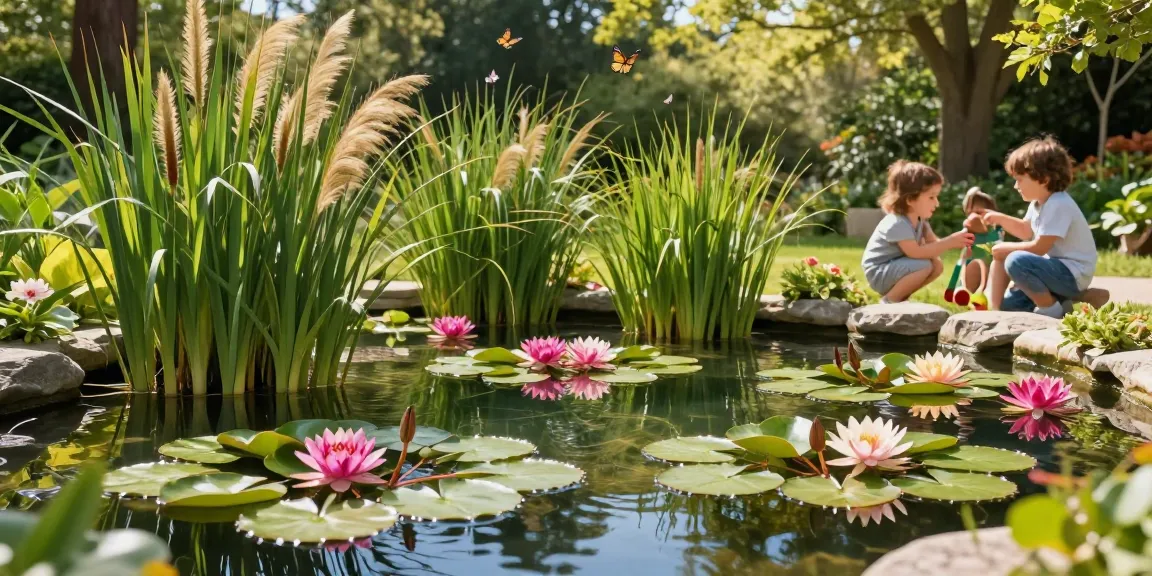
A well-planned arrangement of pond plants can transform a simple water feature into a stunning focal point. Water lilies with their colorful blooms, for instance, are not just beautiful; they also provide shade and cover for fish, which helps maintain a stable temperature in the pond. By thoughtfully integrating a mix of submerged, marginal, and floating plants, you can create an inviting and visually pleasing space that reflects your unique style.
The Role of Pond Plants in Water Quality Management
Pond plants are natural filters, contributing to improved water quality by absorbing excess nutrients that can lead to algae blooms. They also play a significant role in controlling the levels of ammonia, nitrates, and phosphates in the water, ensuring a healthy environment for aquatic life. Implementing a variety of plants that thrive in different conditions can create a more resilient ecosystem capable of self-regulating these parameters.
Top Types of Pond Plants to Consider
Floating Plants: Water Lilies and Their Varieties
Floating plants, particularly water lilies, are a staple in many garden ponds. Their wide, flat leaves spread across the surface, providing shade and reducing algae growth. Varieties such as the hardy Nymphaea and the tropical Nymphaea offer different colors and growth habits. Maintaining these plants involves ensuring they receive the right amount of sunlight and keeping their roots submerged in nutrient-rich soil at the pond’s bottom.
Submerged Plants: The Unsung Heroes of Your Pond
Submerged plants, including species like Elodea and Hornwort, are essential for oxygenating water and providing a habitat for aquatic life. They remain fully underwater, which helps to create a natural environment for fish and invertebrates. Regular pruning is necessary to keep these plants healthy and prevent them from overtaking your pond.
Marginal and Emergent Plants: Adding Depth to Your Landscape
Marginal plants, such as cattails and irises, grow at the water’s edge and add height and structure to the pond’s landscape. These species are excellent for stabilizing the banks and offer habitats for wildlife. Emergent plants also attract pollinators, thereby enhancing biodiversity. Choosing the right types will depend on your pond’s size, depth, and climate conditions.
Where to Buy Pond Plants Online: A Guide
Evaluating Retailers: Quality and Reputation
When looking to buy pond plants online, it’s crucial to evaluate the reputation and quality of the retailers. Look for vendors that specialize in aquatic plants and have positive customer reviews. Reliable sellers often provide information about the origins of their plants and their suitability for your specific pond conditions.
Understanding Shipping Options and Plant Care Advice
Shipping methods can greatly affect the health of your pond plants upon arrival. Ensure that the retailer has safe packaging practices that minimize damage during transport. Additionally, check if they offer care advice specific to the plants you purchase, as proper planting and acclimatization are essential for their survival.
Finding the Best Deals for Your Pond Plants Online
While price shouldn’t be the only consideration, finding competitive prices without sacrificing quality is key. Look for seasonal sales, discounts for bulk purchases, and loyalty programs that encourage repeat customers. Many online retailers also provide detailed descriptions of plants, along with photos and care instructions, that can help you make informed decisions.
Creating the Ideal Environment for Pond Plants
Factors to Consider: Sunlight, Water Quality, and Soil Type
To ensure the success of your pond plants, consider the essential factors of sunlight, water quality, and soil type before planting. Different species have varying sunlight needs, with some thriving in full sun while others prefer partial shade. Test the water quality for pH, ammonia, and nutrient levels to tailor your selection of plants effectively. Lastly, ensure that the soil is rich in nutrients and suitable for aquatic growth.
Common Mistakes When Planting and Maintaining Pond Flora
One common mistake is overcrowding, which can lead to competition for nutrients and light. It’s also essential to avoid using regular garden soil in your pond; instead, use soil specifically formulated for aquatic plants to prevent water contamination. Regular maintenance, including monitoring for pests and algae, will yield healthier plants.
Seasonal Care: Ensuring Year-Round Health of Your Pond Plants
Caring for pond plants throughout the year involves understanding their seasonal needs. In spring, focus on planting and dividing overgrown species. Summer care should include regular maintenance and monitoring water levels. During fall, prepare your plants for winter by cutting back dead foliage and ensuring that submerged plants are adequately anchored. In winter, while many plants go dormant, keeping the surface clear of ice will help maintain oxygen levels in the water.
Future Trends in Pond Plant Options for 2026 and Beyond
Innovative Plant Varieties and Genetic Developments
As garden trends evolve, innovative plant varieties are being developed. Genetic advancements are leading to cultivars that are more resilient to climate change, pests, and diseases. Expect to see a rise in hybrid water lilies with enhanced bloom times and colors that appeal to modern gardeners looking for unique choices.
Eco-friendly Practices in Purchasing Pond Plants
As sustainability gains traction, many retailers are adopting eco-friendly practices. Look for vendors that prioritize organic cultivation methods and sustainable sourcing of plants. Purchasing locally can also reduce your carbon footprint and support local ecosystems.
Predictions for DIY Pond Gardening Popularity
The DIY pond gardening movement has gained significant popularity, predicted to continue into 2026 and beyond. This trend emphasizes personal engagement with nature, and as more people seek therapeutic outdoor spaces, the demand for accessible information on pond plants and their care will likely increase. Online communities and resources will play a critical role in supporting novice gardeners in their aquatic endeavors.
What are the best types of pond plants for beginners?
For beginners, floating plants like duckweed and water lilies are great choices, as they are easy to care for and provide immediate cover. Marginal plants such as marsh marigold are also forgiving and help enhance the overall ecosystem.
How do pond plants improve water quality?
Pond plants improve water quality by absorbing excess nutrients and providing oxygen, which is vital for aquatic life. They also stabilize the sediment at the pond bottom, reducing turbidity and promoting a clearer water environment.
Can I grow pond plants in containers?
Yes, many pond plants can be successfully grown in containers, making them ideal for patios and balconies. Ensure the containers have drainage holes and use aquatic soil to promote healthy growth.
What should I consider when buying pond plants online?
When purchasing pond plants online, consider the plant’s specific needs, your local climate, the reputation of the seller, and shipping methods to ensure the plants arrive healthy and ready to thrive.
How do I care for my pond plants throughout the year?
Caring for pond plants year-round involves monitoring water levels, providing appropriate sunlight, and performing regular maintenance tasks, such as pruning and fertilizing as necessary. Additionally, be mindful of seasonal changes and prepare your plants accordingly.